[ad_1]
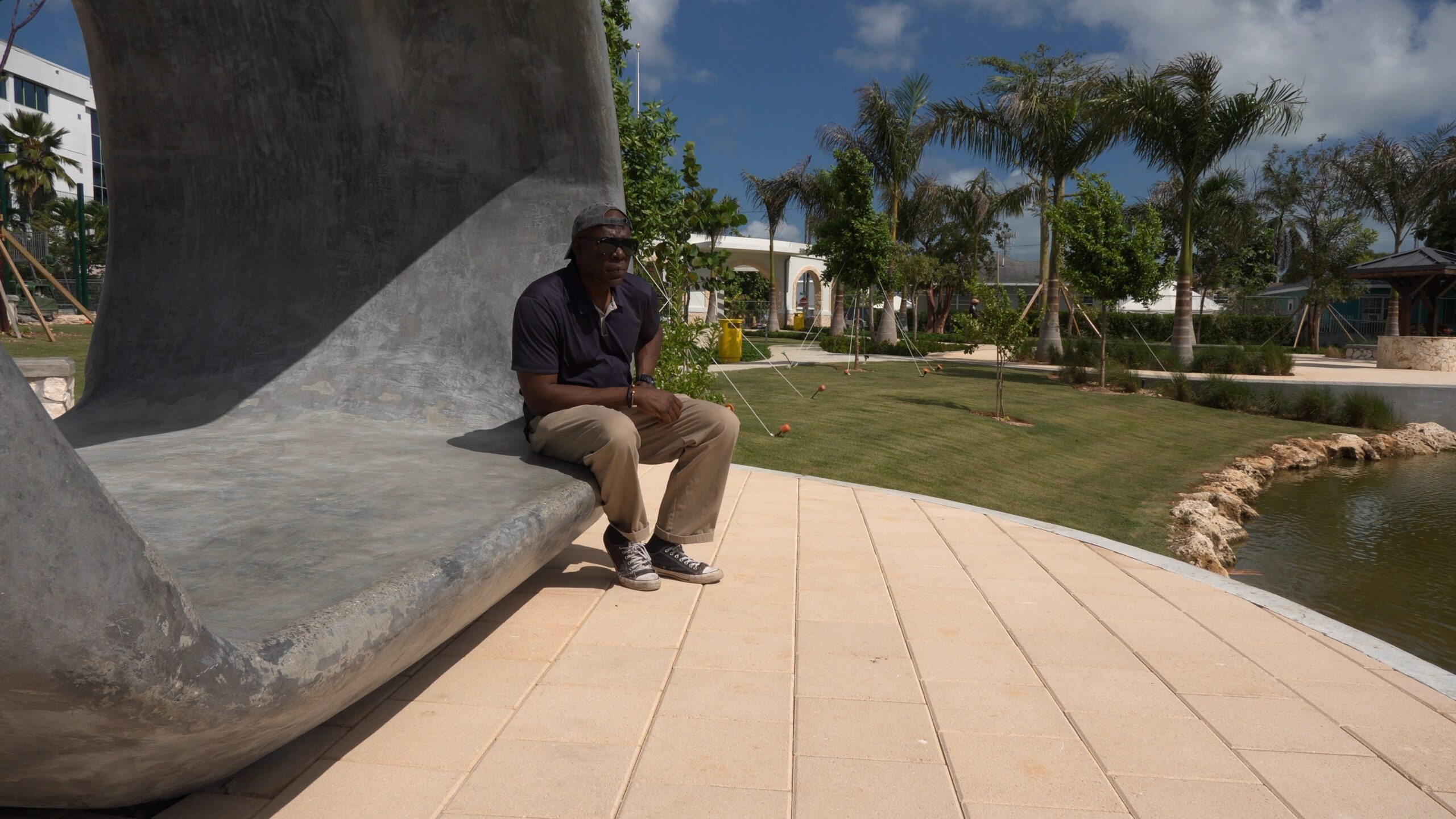
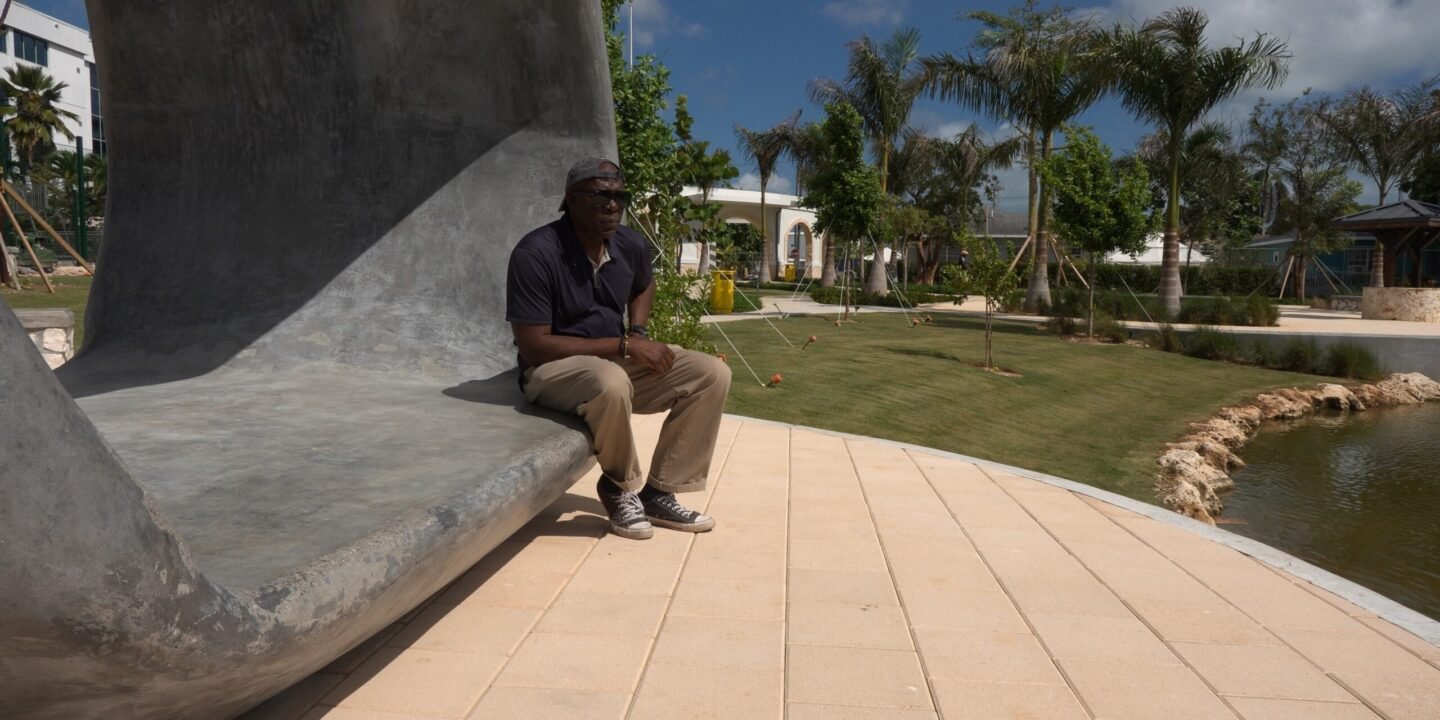
Caymanian artist Al Ebanks has brought his abstract art to Central Scranton Park, in an area he has known his whole life.
Best known for his large abstract paintings, his new sculpture is part of a multi-million-dollar enhancement of the park.
Ebanks, who is one of the co-founders of Native Sons artists collective and has been called a leading figure in the development of Caymanian art over the past quarter century by the National Gallery of the Cayman Islands, was approached by the Cayman Islands Government about two years ago to develop a sculpture for the park.
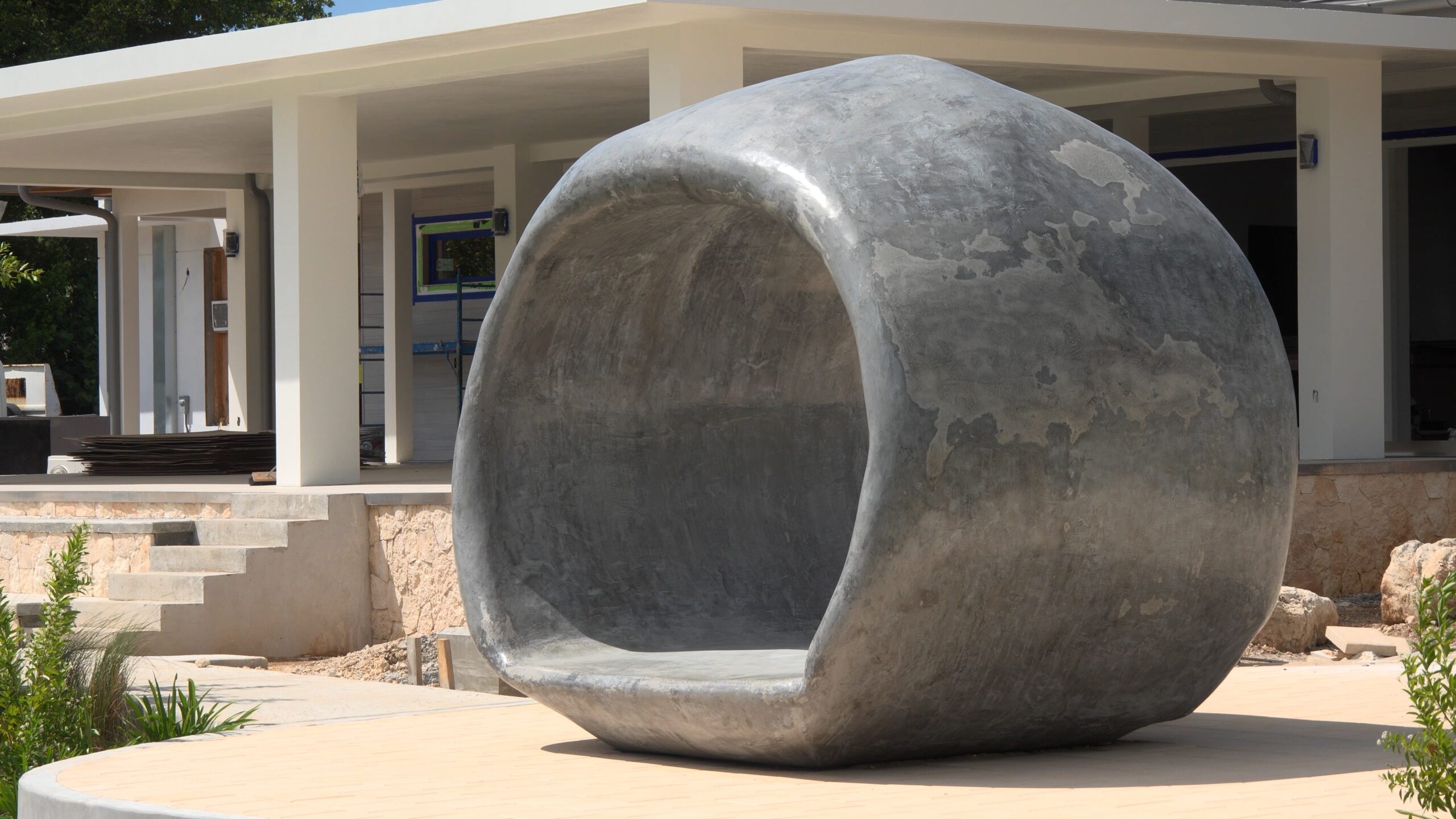
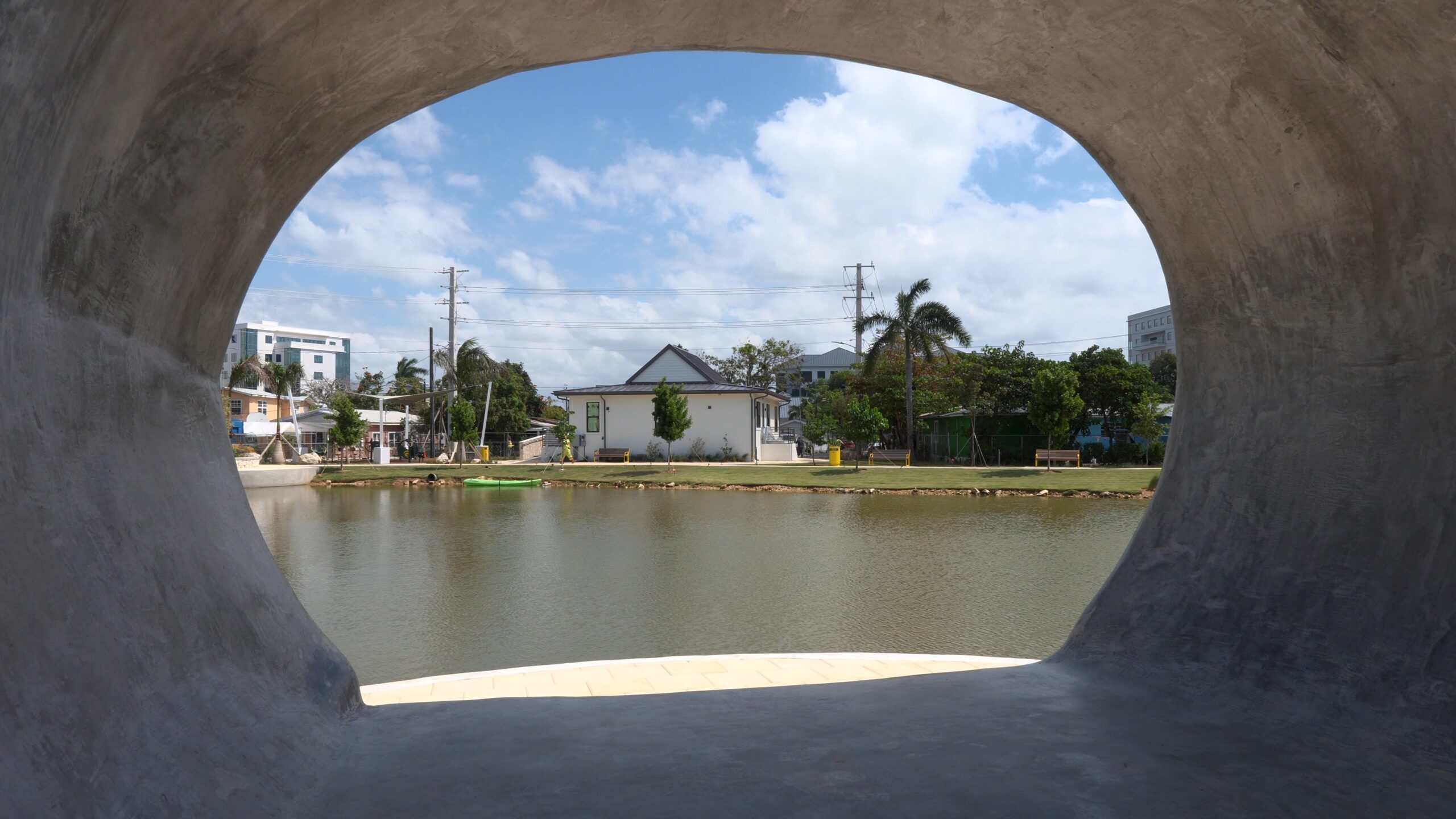
The new sculpture, which is called ‘Shell’ is a powerful yet inviting piece that is intended to inspire community members to come and enjoy the space.
Speaking in an recent interview with Compass TV, Ebanks welcomed the opportunity to add to the changes in the park.
“As somebody who grew up walking distance from here, contributing now to this park’s rebirth – I think it’s amazing,” he said. “It takes me back to my childhood, coming here to events like Christmas parties and all that kind of stuff – there was always a function in this space.”
Ebanks said that he feels that seeing the space come to life again will be inspiring for the elderly because they all grew up here in this neighbourhood.
From concept to art
The concept for ‘Shell’ came from a series of small-scale works that Ebanks created that are about life.
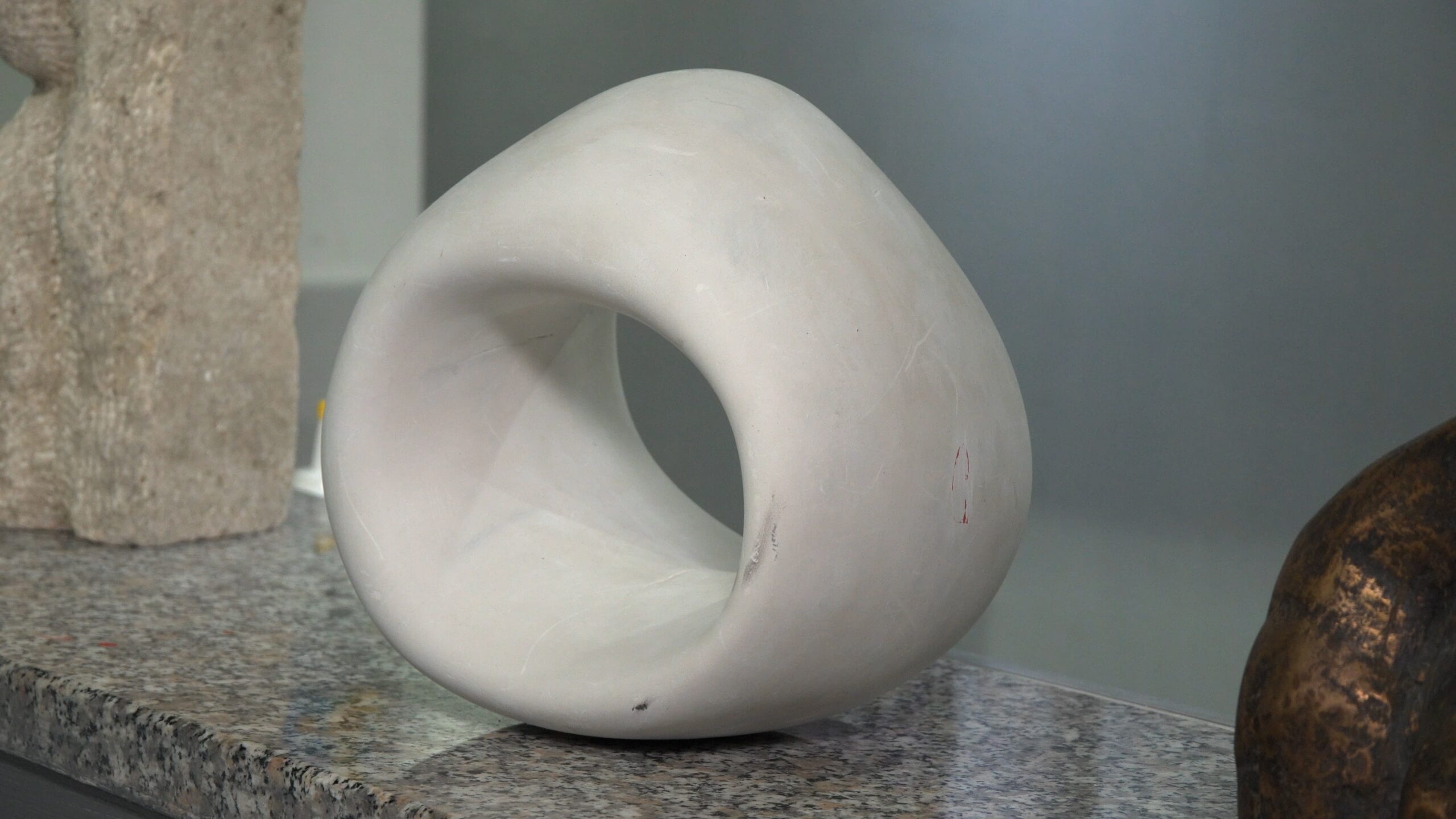
He explained that the piece is “…speaking about embracing life while we are here because after death, our life – all life – is just memories, just the shell. So, it’s all about inspiring people to come together and embrace life”.
He said Shell also relates to turtles and their place in Cayman’s heritage.
“Growing up, turtle meat was one of our main dishes. I remember walking to the farmer’s market just to buy turtle for dinner. It’s always inspiring to me to see turtle … reminds me of myself, of [things like] endurance and resilience.”
The piece took Ebanks about six weeks to complete, which he found to be ample time. The piece goes about three feet below ground, several feet up above and is made of steel and poured concrete. Ebanks utilised space in the sculpture so that people could sit in it or move through it.
“I kind of feel it in its simplicity … and government felt it would be a good fit for the park.”
Ebanks said that most of the people he grew up with in the Scranton area were gone from the George Town neighbourhood.
“I feel that to have something that would outlive us, to remind us of where we came from … I think that’s quite fitting to have this preserved for people to come back to and just enjoy.
Ebanks also said that he thought there was stigma attached to the park and area that isn’t realistic. “I wasn’t threatened or felt scared or anything. People just have to come in and treat people with respect.”
The Central Scranton Park is expected to reopen to the public sometime in April.
[ad_2]
Source link