An Islington organisation claiming to be the last remaining artist-run gallery and studios in central London has launched a public campaign to secure its future in the borough after being told the lease on its home of more than 25 years will not be renewed beyond April 2026.
Founded in King’s Cross in 1991, Cubitt was established by artists as an alternative to commercially focused galleries and has developed a reputation for supporting experimental contemporary practice through affordable studio provision, exhibitions and professional development.
Speaking to Arts Professional, Seán Elder, Cubitt’s interim director of programmes and a former curatorial fellow, said the organisation is now seeking a long-term, affordable space that allows it to keep its distinctive model intact and to stay in the area where much of its community, education and civic work is rooted.
“What makes Cubitt unique is that all of its strands exist together,” Elder said. “The studios, the curatorial programme, the education and community work – they are all connected. Splitting those apart would fundamentally change what Cubitt is.”
A grassroots alternative
Noting that Cubitt doesn’t have ambitions to become a large-scale institution for late-career artists, Elder explained the organisation works with artists and curators who are taking an “experimental approach” – usually earlier or mid-career – with many going on to receive recognition from the Turner and Jarman awards.
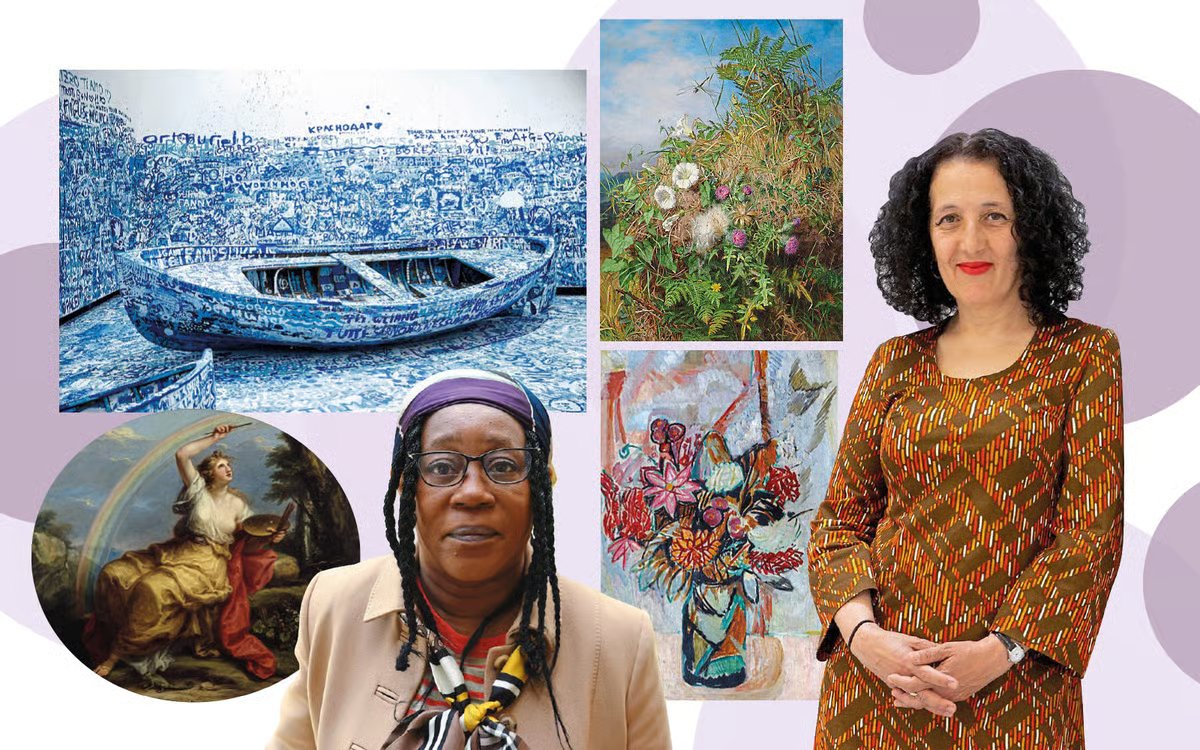
Past and present studio artists include Peter Doig, Chris Ofili, Ingrid Pollard, Tomma Abts and Nicole Wermers, while exhibiting artists have included Tacita Dean, Helen Cammock, Jasleen Kaur and Christodoulos Panayiotou, while alumni of the Curatorial Fellowship include Michelle Cotton, Polly Staple, Helen Nisbet and recent Jarman Award winner Morgan Quaintance.
Shrinking ecology
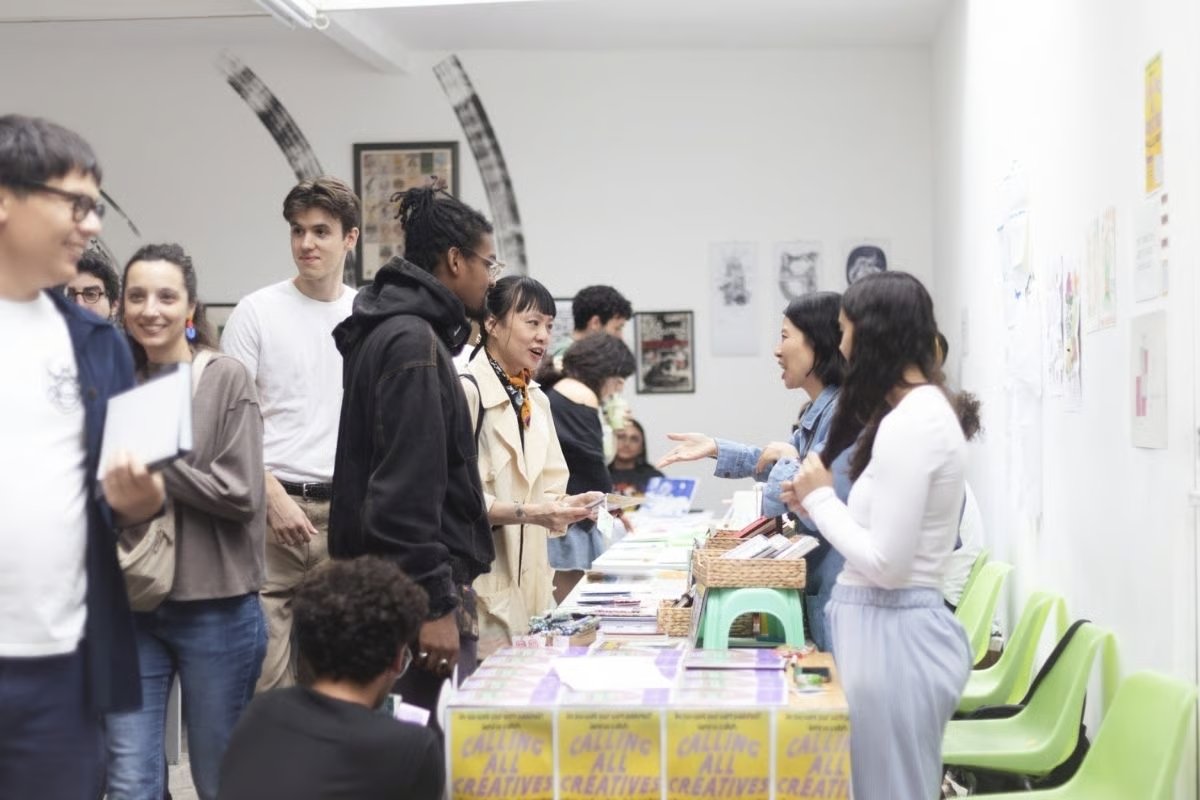
Elder highlighted that Cubitt has also built long-term relationships with local communities in Islington through its education and community programmes, which have been running for more than 15 years, including partnerships with Arts and Media School Islington and its Saturday Socials programme for people aged over 55, which addresses isolation through creative activity.
More recently, the organisation has developed a civic programme focused on making Cubitt’s resources available to local residents.
“These programmes are deeply embedded in Islington,” Elder said. “They’ve grown over many years through trust and long-term relationships. Moving out of the borough would risk losing that entirely.”
The situation facing Cubitt reflects wider pressures on London’s cultural infrastructure, particularly for grassroots and artist-led organisations, with Elder pointing to a decline in Arts Council England National Portfolio Organisations in Islington over recent years, alongside rising property costs and redevelopment.
“There’s a real parallel between what’s happening to artists and arts organisations and what’s happening to long-standing communities in the borough,” he said.
“People who grew up here often can’t afford to stay. That sense of displacement is something we see reflected in our community work as well.”
Looking ahead
Cubitt currently supports more than 30 studio artists, with relocation costs – including storage, short-term premises, and making any new building fit for purpose – likely to be significant. The organisation is launching a fundraising campaign to support the move.
Elder said the organisation has had positive conversations with Islington Council, the Greater London Authority and local representatives, as well as an “energising” public response, and is calling on artists, curators and audiences who have benefited from its work to make their support visible.
“A show of public backing really matters,” Elder said. “Whether that’s contacting local representatives, sharing our campaign, or contributing to the fundraiser – it all helps demonstrate why Cubitt should have a future here.”
Despite the uncertainty, Elder said staff and artists remain committed to preserving Cubitt’s ethos as a grassroots, artist-led organisation and are actively seeking a secure, affordable space in Islington that would allow it to continue offering studios, experimental programming and community-led activity in one place – a model it argues is increasingly rare, but essential to London’s cultural ecology.
“I came to Cubitt as the 14th curatorial fellow, and even then it felt like stepping into a very storied history,” he said. “It’s difficult, but it’s also a privilege to be part of the team trying to carry that history forward and make it sustainable for the long term.”