[ad_1]
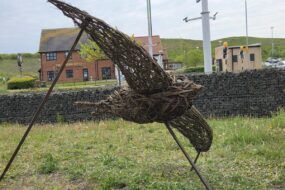
The bespoke piece will be covered in sandeel plaques that visitors can dedicate

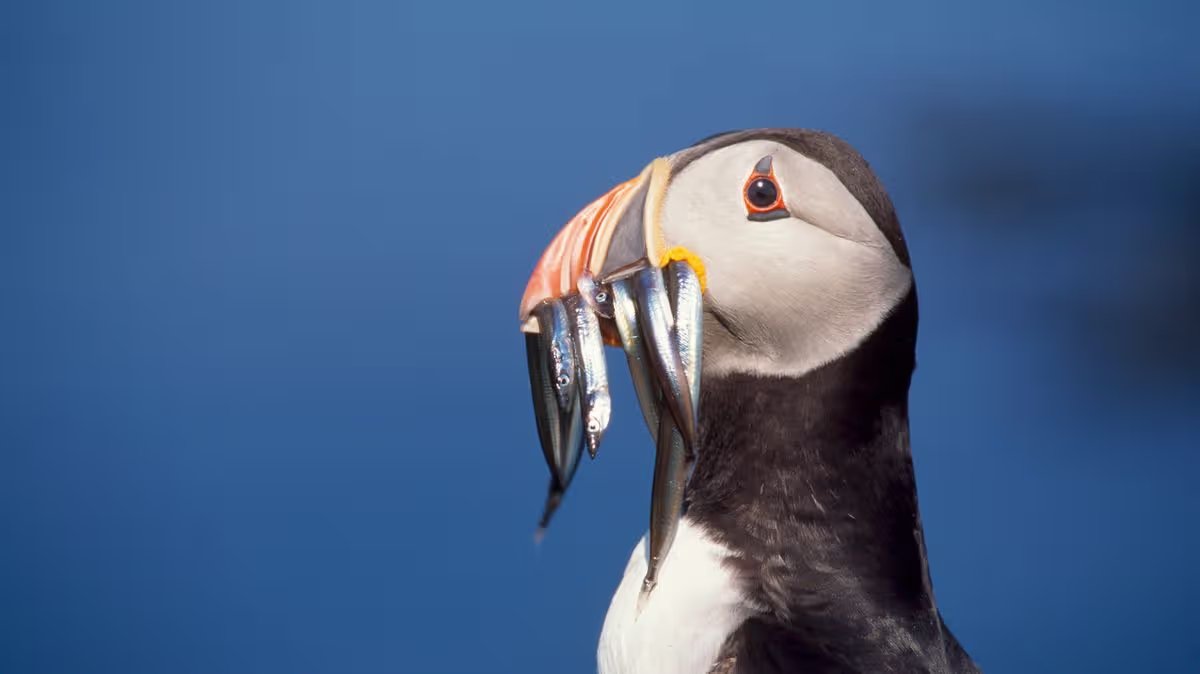
Puffin with sandeels(Image: Chris Gomersall (RSPB Images))
A bespoke sea kelp sculpture has been installed in the visitor centre at RSPB Bempton Cliffs. The copper installation, 1m x 2m, has arrived at the centre just in time for today’s World Puffin Day (Tuesday, April 14).
It will be covered in stainless steel sandeel plaques which visitors can purchase to mark a special occasion or commemorate a loved one, while supporting Bempton’s vital seabird conservation work. Sandeels are one of the North Sea’s most important and yet often overlooked species, and a vital food source for many of the UK’s most threatened seabirds, including puffins, kittiwakes, guillemots and razorbills, all of which breed in internationally important numbers at Bempton.
The new sea kelp sculpture has been specially commissioned for Bempton Cliffs and designed by Hull-based Finch Tree, which specialises in producing fundraising trees and plaques. Creator Gary Pickles has been producing copper artwork, with his business partner Bronwen Glazzard, since 1996 and they both love the versatility of this material.
The sculpture will be dedicated in memory of the brother of Roy Smith who has funded its creation, with a generous donation. Roy, from Folkestone, wanted to help raise funds for seabird conservation work on Yorkshire’s east coast.
His brother, who was a keen birder, sadly died, aged just 45, an innocent victim of the contaminated blood scandal. On Roy’s request, a special puffin plaque will bear his brother’s name in full, Barry James John Smith.
READ MORE: Hope for endangered East Yorkshire puffins as campaign to Save Our Seabirds is launched
Sandeel populations have been under intense pressure for decades due to unsustainable industrial-scale fishing, climate change and wider pressures on the marine environment. Following years of scientific evidence and campaigning by the RSPB and its supporters, the UK Government announced a closure on industrial sandeel fishing in English waters of the North Sea in January 2024, with the permanent closure coming into effect in the spring of the same year – the closure also applies to all Scottish waters.
World Puffin Day coincides with the time of year when puffins and other seabirds are returning to RSPB Bempton Cliffs for the breeding season, bringing renewed hope that improved food availability could help struggling populations recover. Despite this, the most recent seabird census suggests that around one in four puffins have been lost from across the UK since 2000, underlining the scale of the challenge still facing seabirds amid the nature and climate emergency.
Situated on the dramatic East Yorkshire coast near Bridlington, RSPB Bempton Cliffs is home to the UK’s largest mainland seabird colony. Around half a million seabirds breed on its 400ft chalk cliffs each year, making it a site of national and international importance.
The reserve is both a Site of Special Scientific Interest (SSSI) and a Special Protection Area (SPA), reflecting the global significance of its seabird populations. The sculpture has been created not only as a place of celebration and remembrance but as a lasting symbol of why sandeels matter — and what can be achieved when action is taken to protect them.
It is hoped to raise around £25,000 for conservation, with sandeel plaques on offer to purchase at £200 and £250. Dave O’Hara, senior reserve manager at RSPB Bempton Cliffs, said: “Sandeels may be small, but they sit at the very heart of the North Sea food web.
“Without them, seabirds like puffins and kittiwakes simply cannot raise their chicks successfully. That’s why the closure of industrial sandeel fishing was such a significant moment for seabird conservation. This sculpture is a way of telling that story — of hope, of recovery, and of the people who have campaigned for decades to protect these birds.
“Healthier sandeel populations mean healthier chicks, and that gives Bempton’s seabirds a fighting chance for the future. Thanks to Roy this sculpture will help seabird conservation and remain a lasting legacy to his brother”.
The project has been made possible thanks to a £10,000 donation, with around £4,000 funding the design and creation of the installation itself. Once installed, interpretation is planned to help visitors understand the vital link between sandeels, seabirds and the health of the North Sea.
To purchase a sandeel plaque, which can be engraved with your messaging, you can email inmemory@rspb.org or call 01767 669700. On this same auspicious day for puffins, the RSPB’s new “Save Our Seabirds” campaign is officially launched.
It is hoped to raise £250,000 and donations will support the RSPB’s Marine Recovery Programme to put our seabirds and marine life on track for recovery. Katie-Jo Luxton, RSPB’s director for conservation, said: “Our seabirds face many pressures: overfishing and climate change affecting food availability, poorly planned offshore marine development excluding them from key habitats and the ongoing impacts of bird flu.
“We therefore cannot take the arrival of puffins and other seabirds back to our shores for granted. Our campaigning work has brought about the end of industrial sandeel fishing in the English North Sea, providing a lifetime for hungry puffins, but we need to do more to restore and protect the marine habitats these birds call home.
“Our new campaign will go towards our world-leading science, helping us to save our precious seabirds, while we still have the chance.” People can donate to the RSPB “Save Our Seabirds” campaign at rspb.org.uk/sos
[ad_2]
Source link