Gayatri Rangachari ShahIt has been a good year for India’s art and design market. Bookended by the India Art Fair and the ongoing Kochi-Muziris Biennale, the big exhibitions and fairs of 2025 offered significant visibility for artists — from Art Mumbai’s successful third outing to Serendipity Art Festival’s 10th anniversary special edition.
Auction houses, too, enjoyed a landmark year. Saffronart, marking its 25th anniversary, sold a Tyeb Mehta painting, titled Trussed Bull, for over $7 million at its commemorative sale, while Pundoles, Christie’s, Sotheby’s, and Astaguru also reported stellar results.
While the art market, valued at $330 million, is still tiny compared to those in the West and China, the recent reduction of GST on art works from 12% to 5% will stimulate the sector. The interior design market, currently valued at $30.2 billion, is expected to hit $81.2 billion by 2030. Both these sectors have been driven by rising auction turnovers, a more confident gallery ecosystem, the increasing visibility of fairs and biennales, and booming real estate. More importantly, the sector sustains a wide network of artists, designers, craftspeople and cultural workers, reflecting India’s soft power.
We ask a group of cultural arbiters to identify the individuals who, in their view, shaped India’s art and design landscape in 2025 — those whose work prompted pause, reflection and, at times, applause. While some are familiar figures, such as Kiran Nadar, whose outsized impact on Indian art is undeniable, others are less widely known, yet no less meaningful in their contribution to culture.
Kiran Nadar
Art patron whose KNMA collection numbers over 15,000
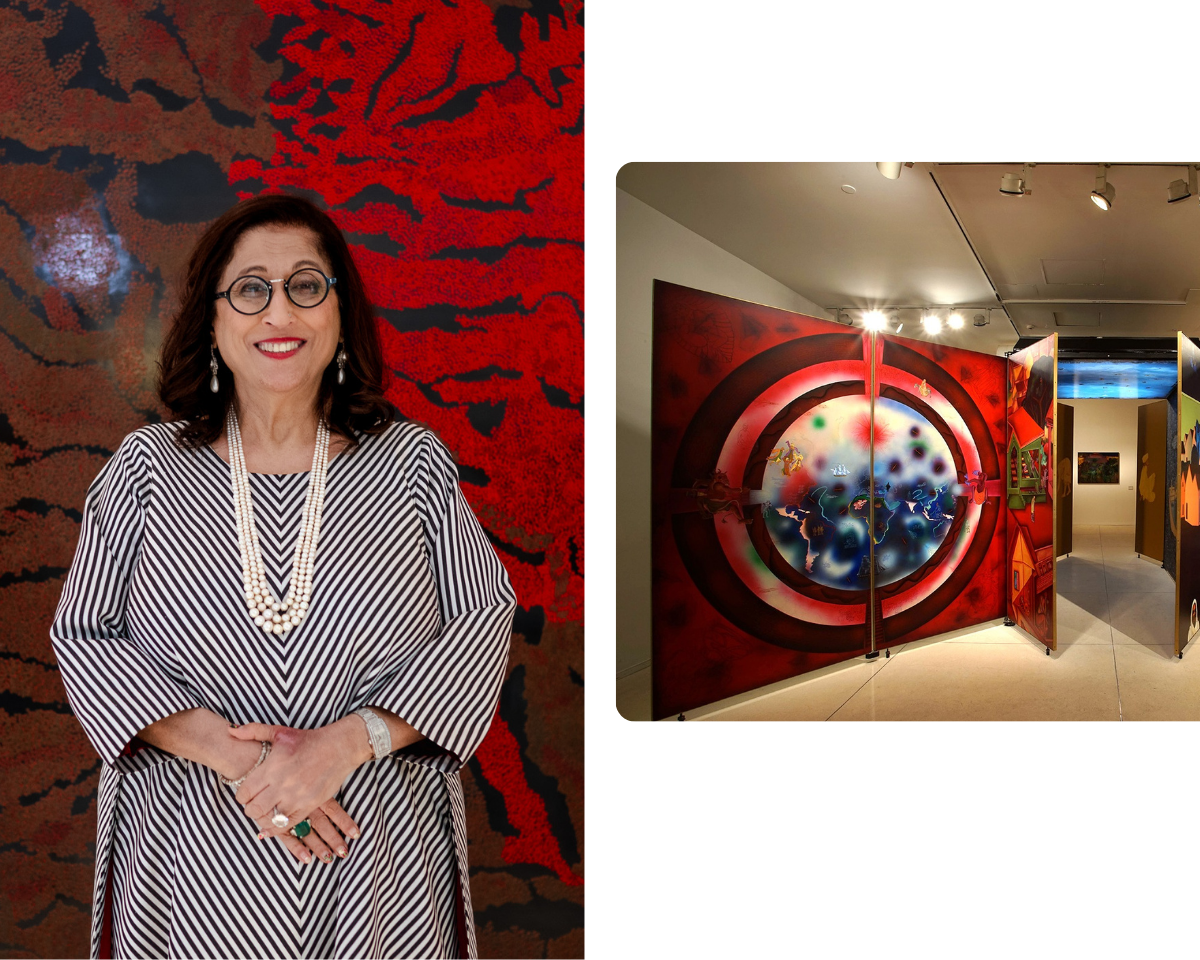
Kiran Nadar is one of India’s foremost art patrons and philanthropists. I admire all that she does to make Indian art consistently accessible to a wide audience. This year, we were able to see an incredible Tyeb Mehta show at Art Mumbai [Bearing Weight (with the lightness of being) featuring iconic works such as ‘Falling Figures’ and ‘Trussed Bull’], thanks to her support. She was awarded the 2025 Asia Game Changer Award by the Asia Society for her unwavering commitment to champion Indian art on a global stage. I applaud her vision to build a world class institution for modern and contemporary Indian art for future generations [the upcoming museum in New Delhi is set to be one of India’s largest art and cultural spaces].

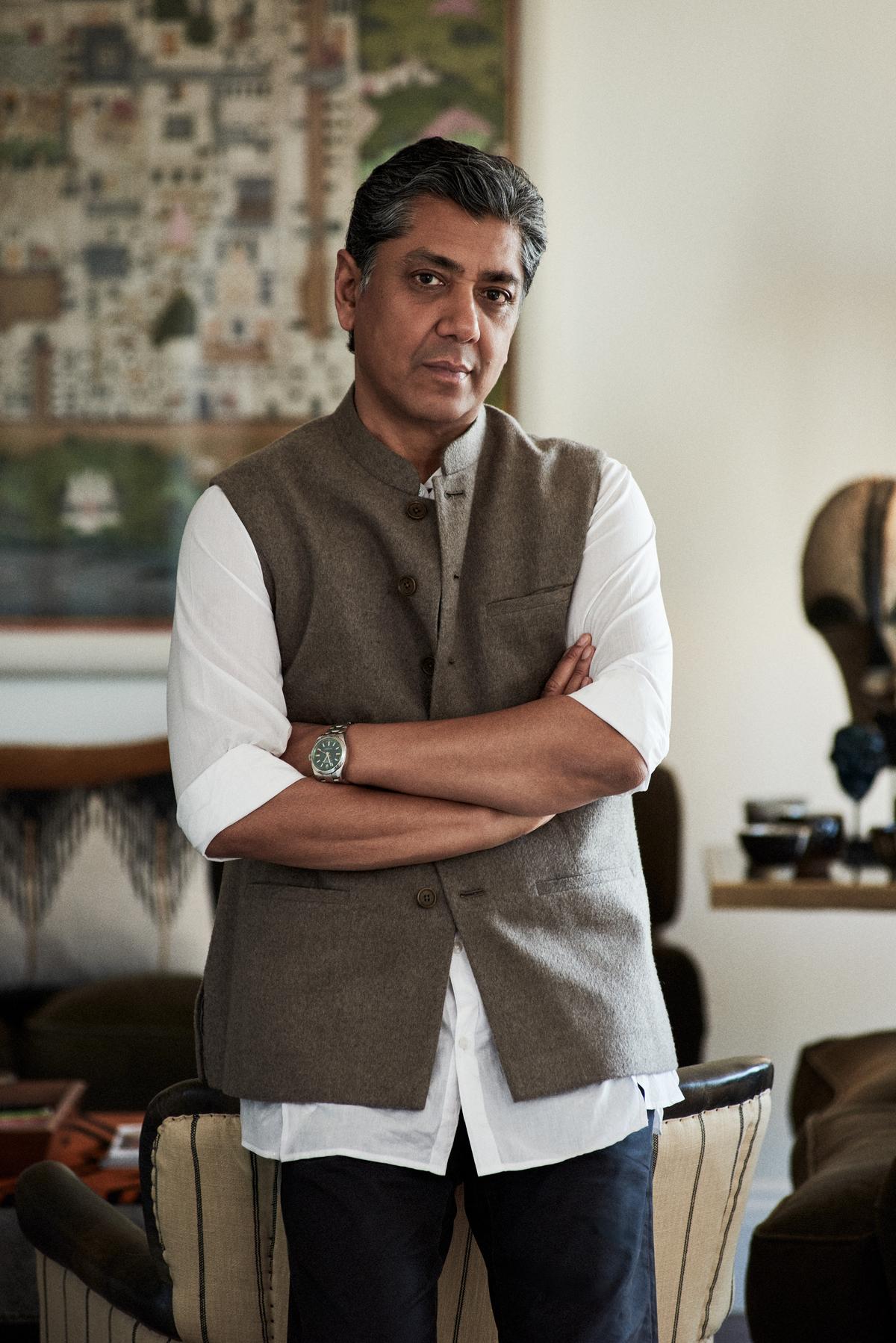
— Vikram Goyal, founder, Vikram Goyal Studio

Meneesha Kellay
Curator who draws emerging voices into conversations
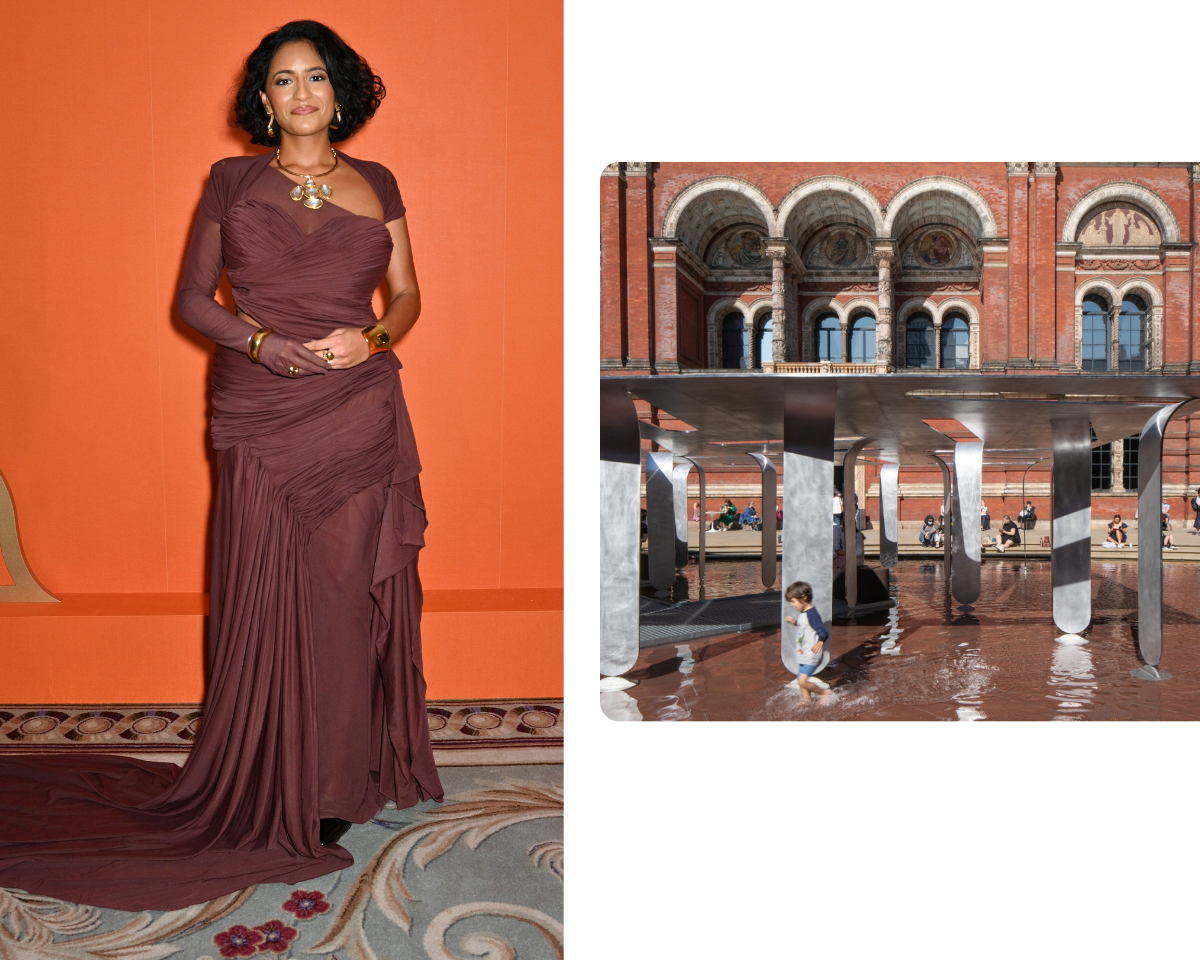
This year, Meneesha Kellay was appointed the youngest-ever British Museum Trustee, and the lead curator for Contemporary South Asia exhibitions. I have long admired her for the sensitivity and depth she brings to her work, and this year — as a board member — her vision has been especially resonant. In shaping a major new cultural platform rooted in global creativity and South Asian perspectives, she draws emerging voices into conversations that are expansive, nuanced and profoundly meaningful. It was recently announced that she is developing a major South Asia focused exhibition for V&A East, which will open in London in 2027. Her approach to materiality, design and cultural history remains, for me, exceptionally powerful.

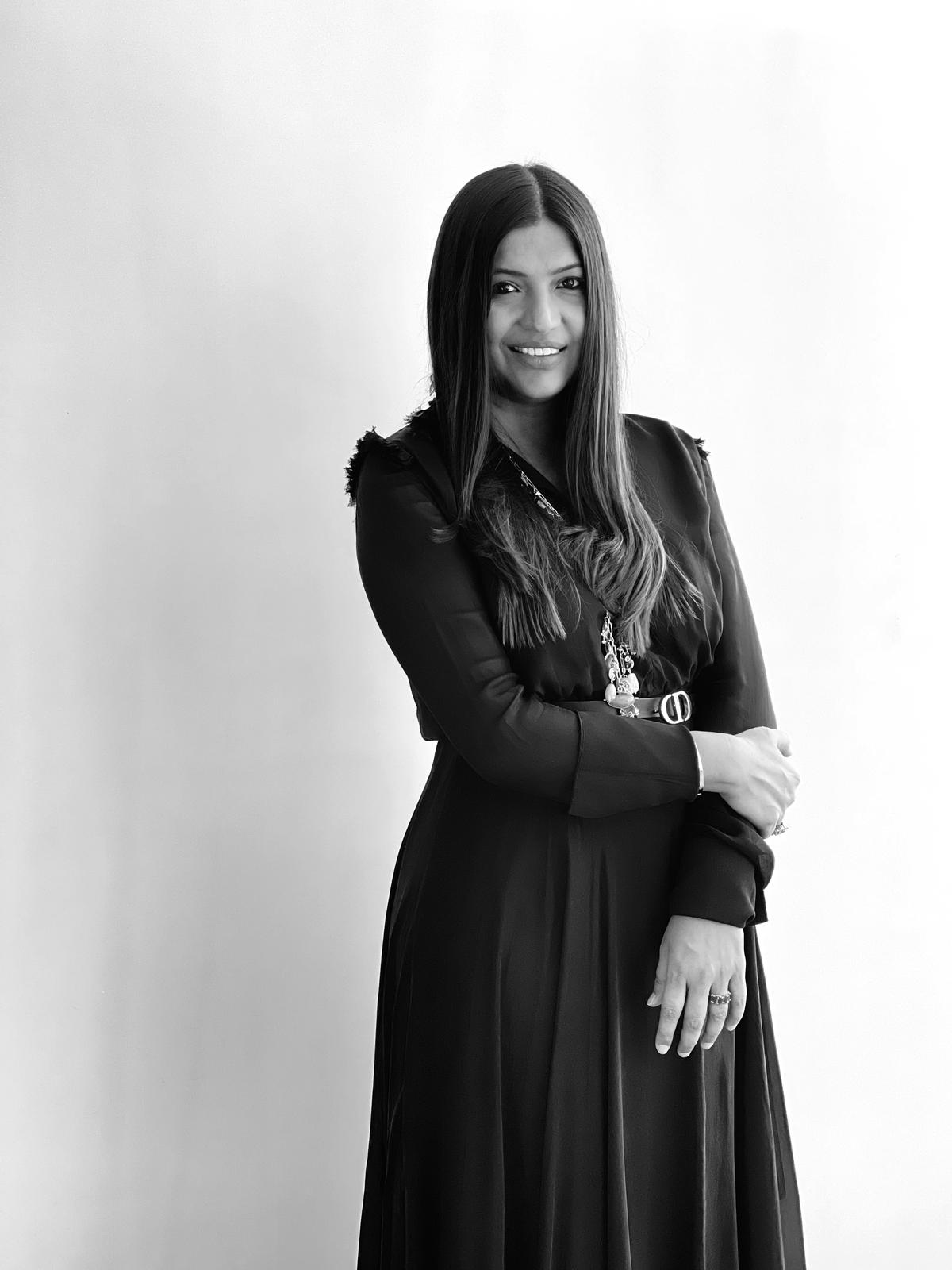
— Karishma Swali, managing director and creative director, Chanakya International

Nikhil Chopra
Artist, and the curator behind a stronger KMB 2025
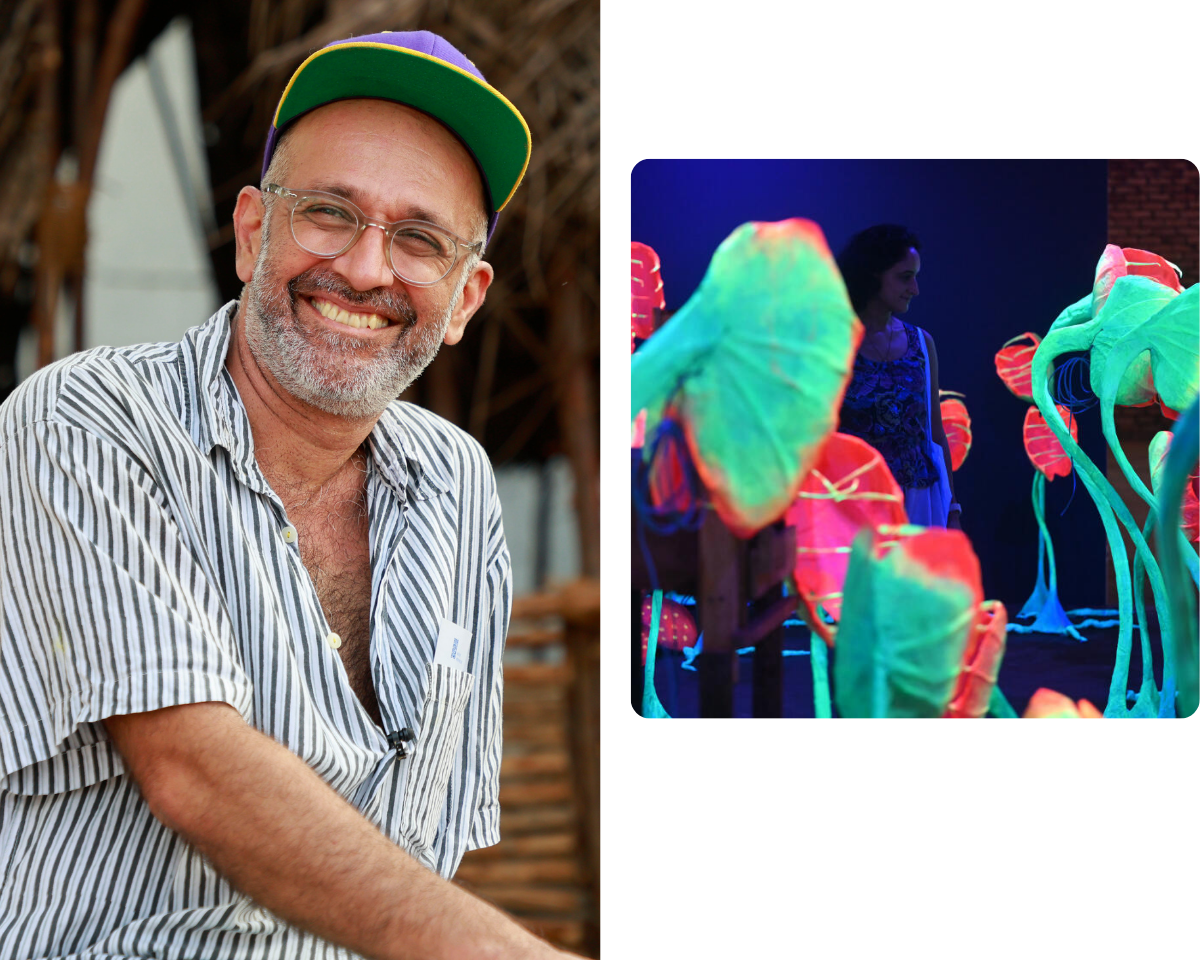
First up is Kiran Nadar, for the multiple events she spearheaded this year, including the M.F. Husain show in Doha. Then, there’s Nikhil Chopra. As curator of the sixth edition of the Kochi-Muziris Biennale, he has envisioned the 110-day event as a long durational performance piece, and brought it back stronger [especially after last edition’s hiccups]. Through collaborations with artists from India and around the world, he will continue his interrogation of identity, colonial and local, public and private.

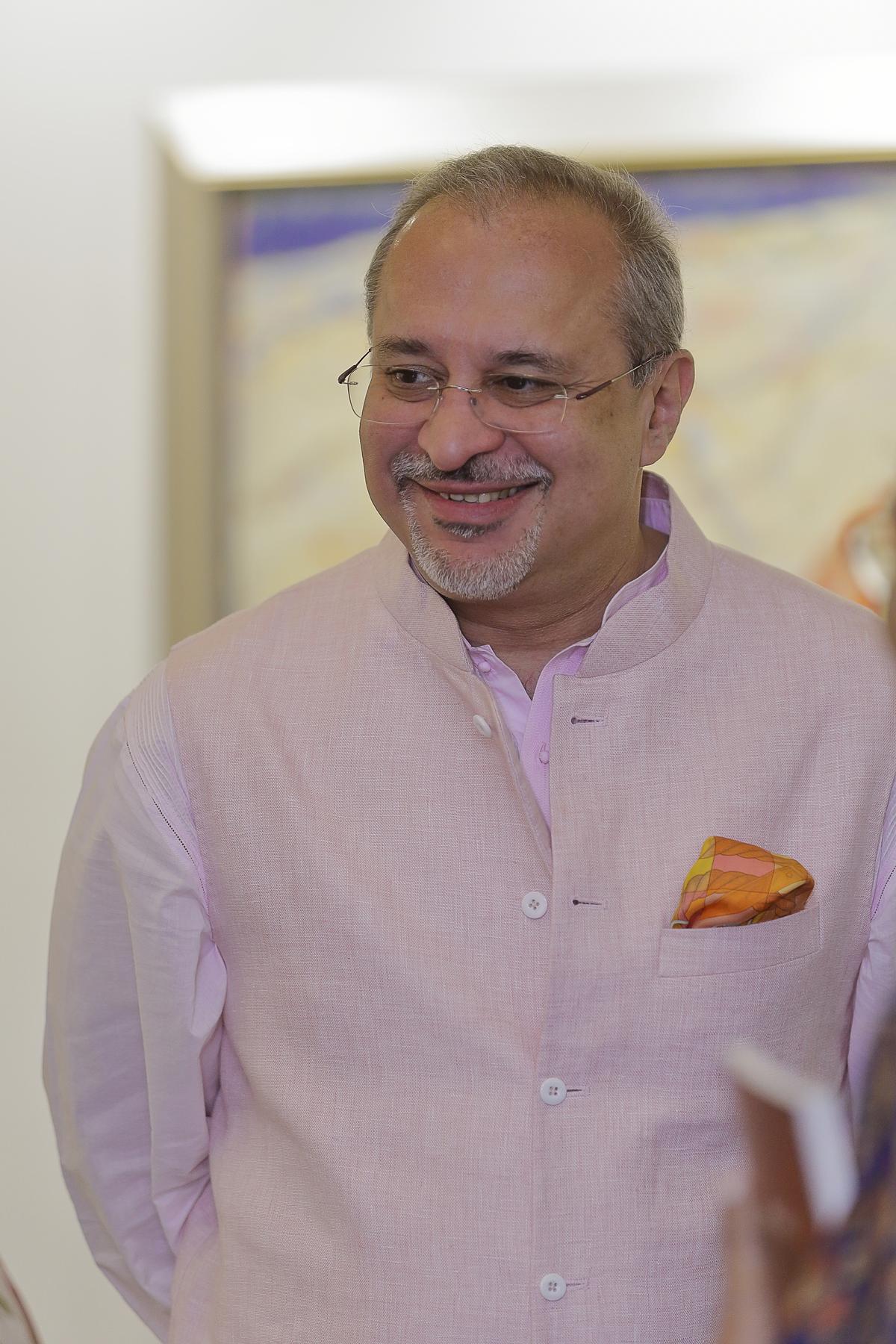
— Dinesh Vazirani, co-founder, Saffronart and Art Mumbai

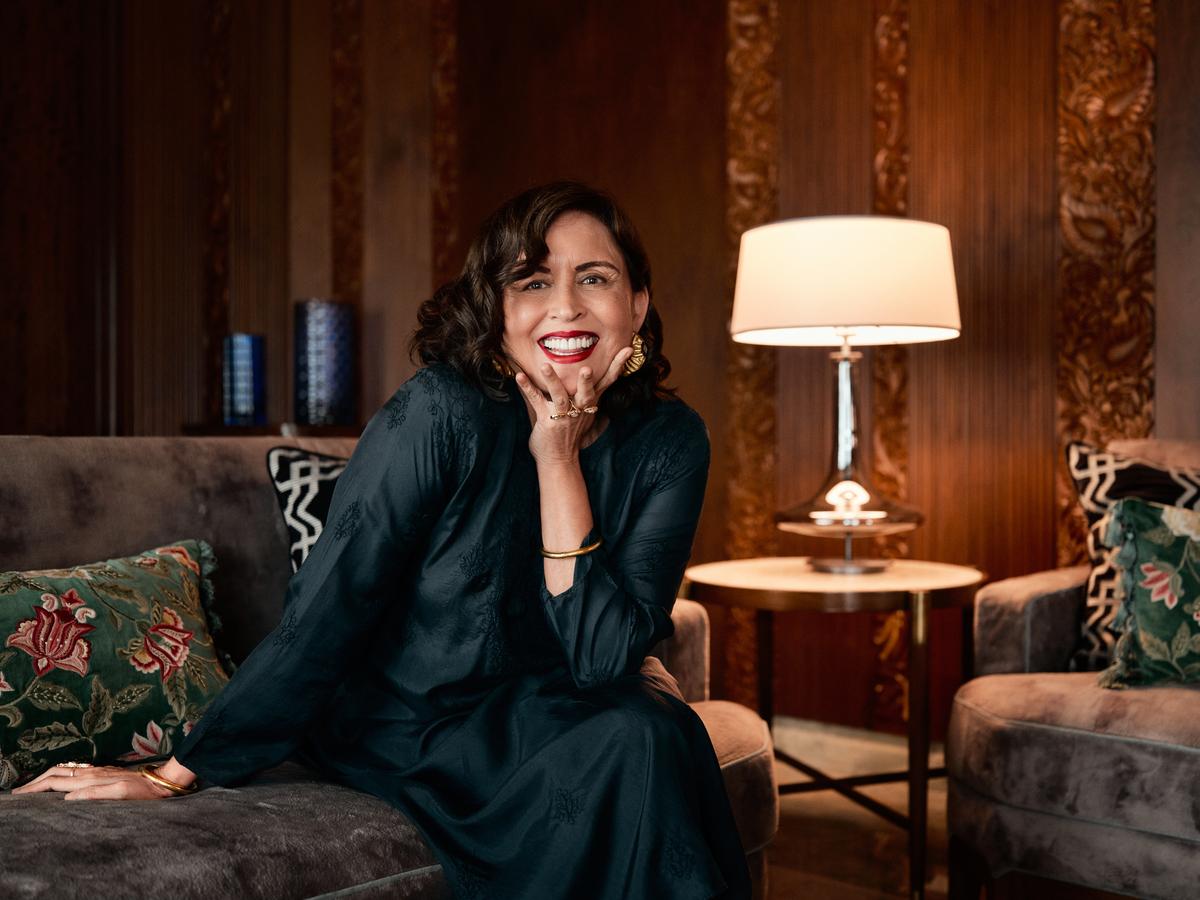
Pavitra Rajaram
Creative director of Nilaya Anthology
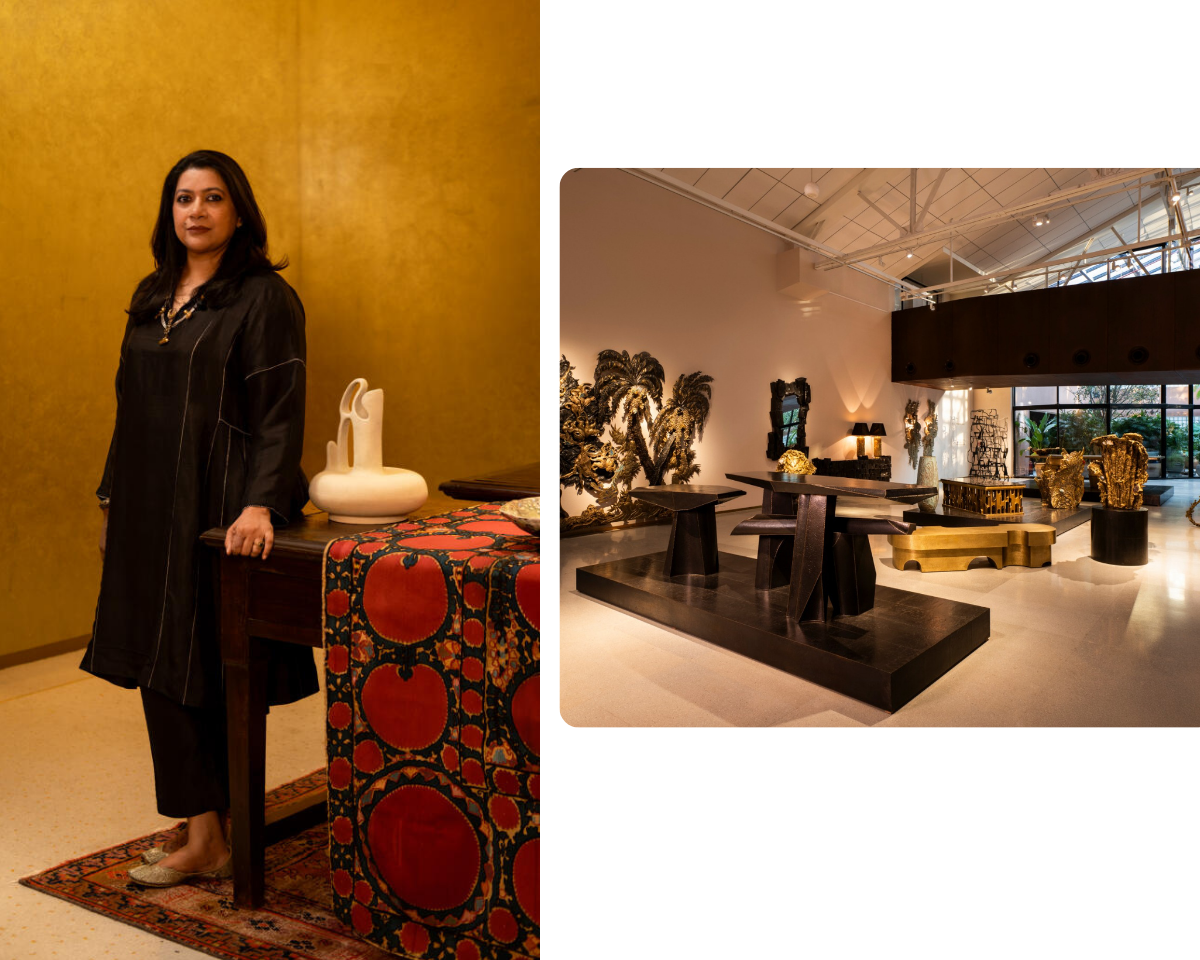
Earlier this year, Pavitra Rajaram brought a new, and international, experience to art and design retail in India with Nilaya Anthology. The 100,000 sq.ft. space in Mumbai now features over 150 makers from the country and around the world. Rajaram, who is often at her 115-year-old restored bungalow in Coonoor when not in Mumbai, has another place of escape in the Maximum City’s hustle and bustle — the 147-year-old neoclassical building in Fort, where the Sarmaya Arts Foundation is housed. A passion project of hers and her husband Paul Abraham’s, the ‘museum without boundaries’ is a repository of art, artefacts, and living traditions from across the subcontinent. Nilaya and Saramaya jointly put the spotlight on Rajaram’s creativity this year.
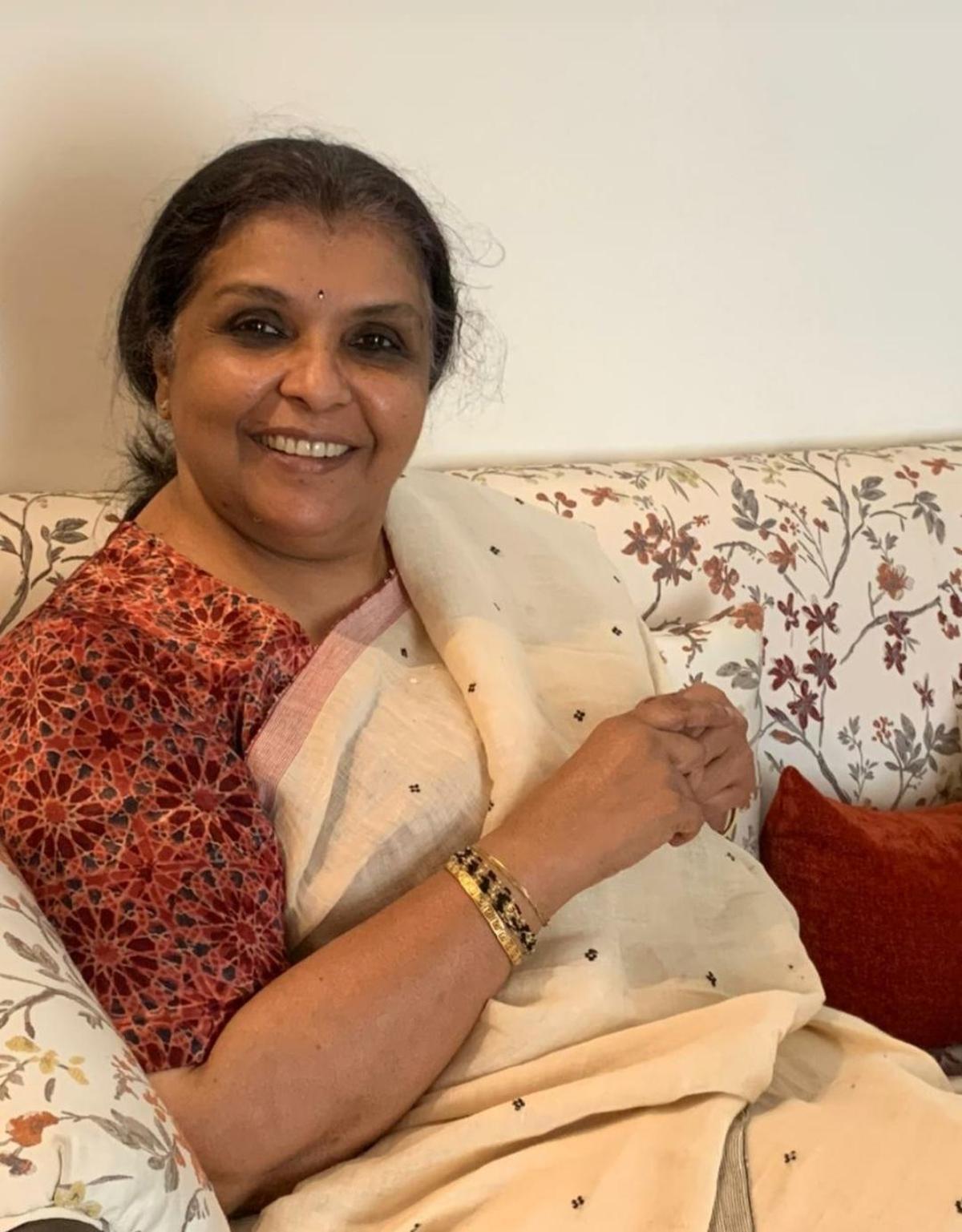
— Sharan Apparao, founder, Apparao Galleries

Sanjiv Kumar
Educator and founder of Arthshila
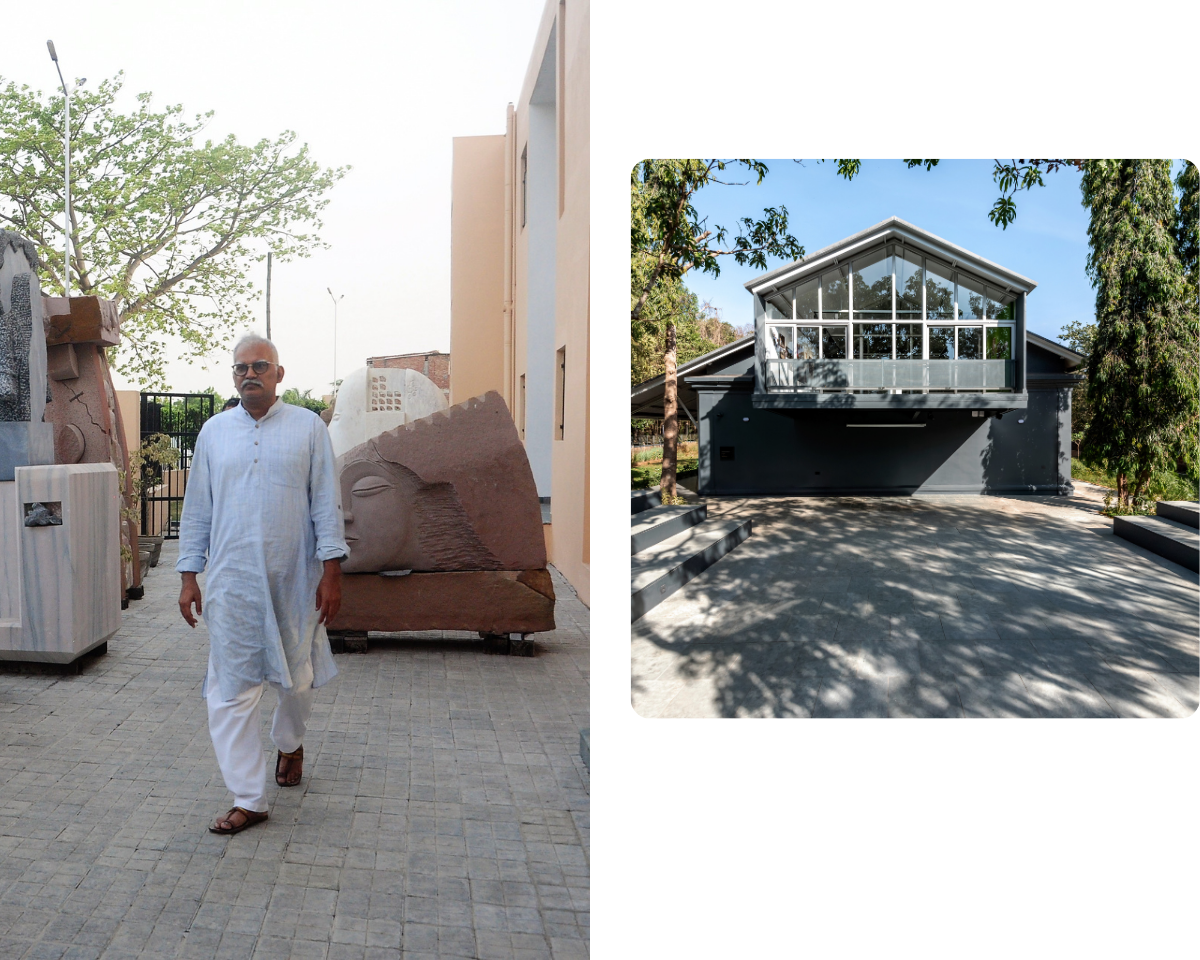
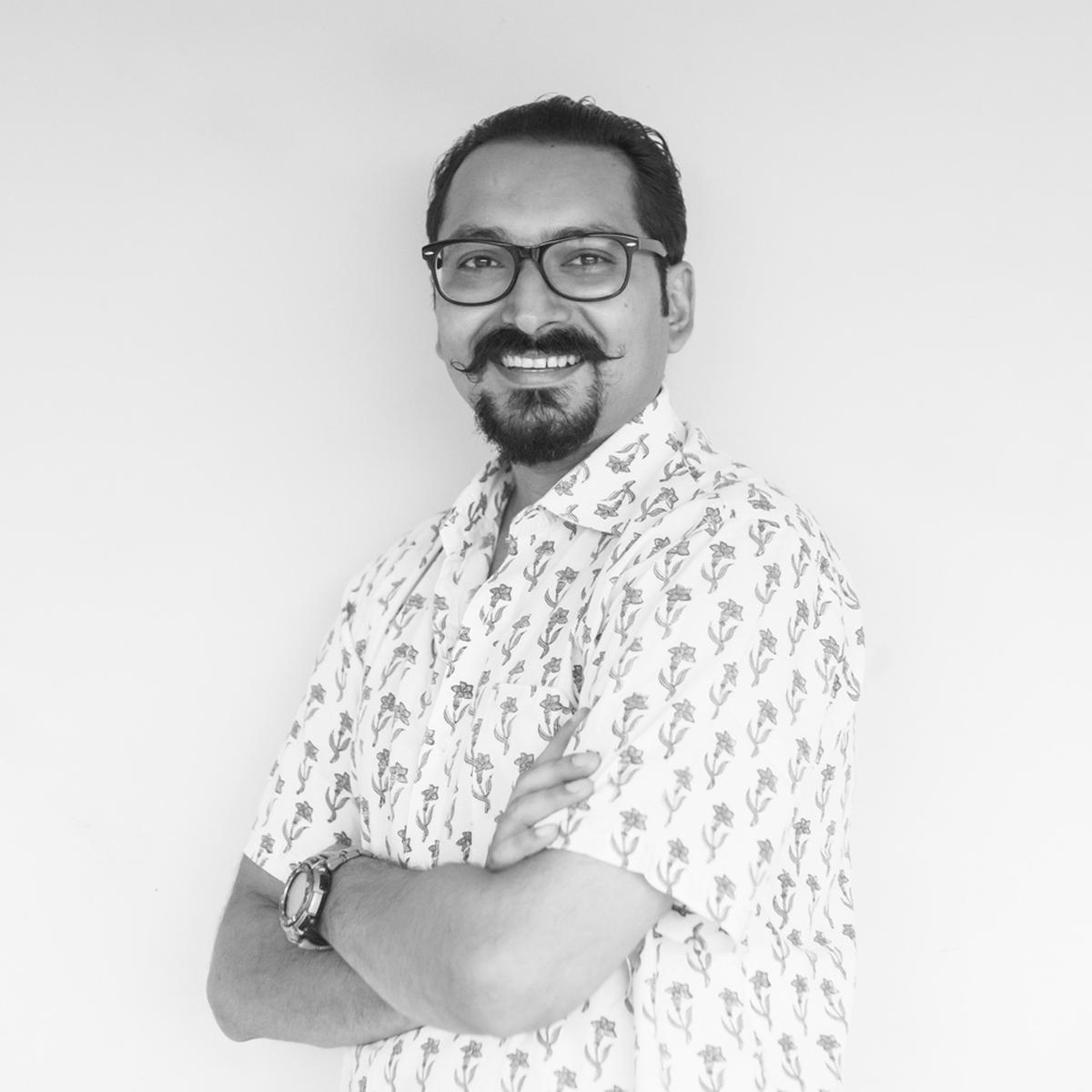
Sanjiv Kumar founded Arthshila, an immersive platform for the arts. In a short span of time, it has grown into a network of six remarkable cultural spaces — in Ahmedabad, Santiniketan, Patna, Kochi, New Delhi, and Goa — most of them located in tier-2 towns and smaller cities. This year marked an important phase of growth, with the opening of new spaces in Goa and Kochi. The latter has already emerged as a key venue for the Kochi-Muziris Biennale. What sets Kumar apart is not just his support, but his genuine curiosity and hunger to learn — he is deeply involved in his initiatives at every level, engaging with artists, institutions, and ideas with rare sincerity. Beyond Arthshila, his initiatives reflect a long-term, values-driven vision: Parivartan in Bihar, which he is nurturing into a cultural hub in his home village, and Takshila Publishing, dedicated to regional-language children’s books.
— Varun Gupta, co-founder and director, Chennai Photo Biennale

Sohrab Hura; Sumantra Ghosal and Naveed Mulki
Multi-disciplinary artist and photographer, and filmmakers
Sohrab Hura
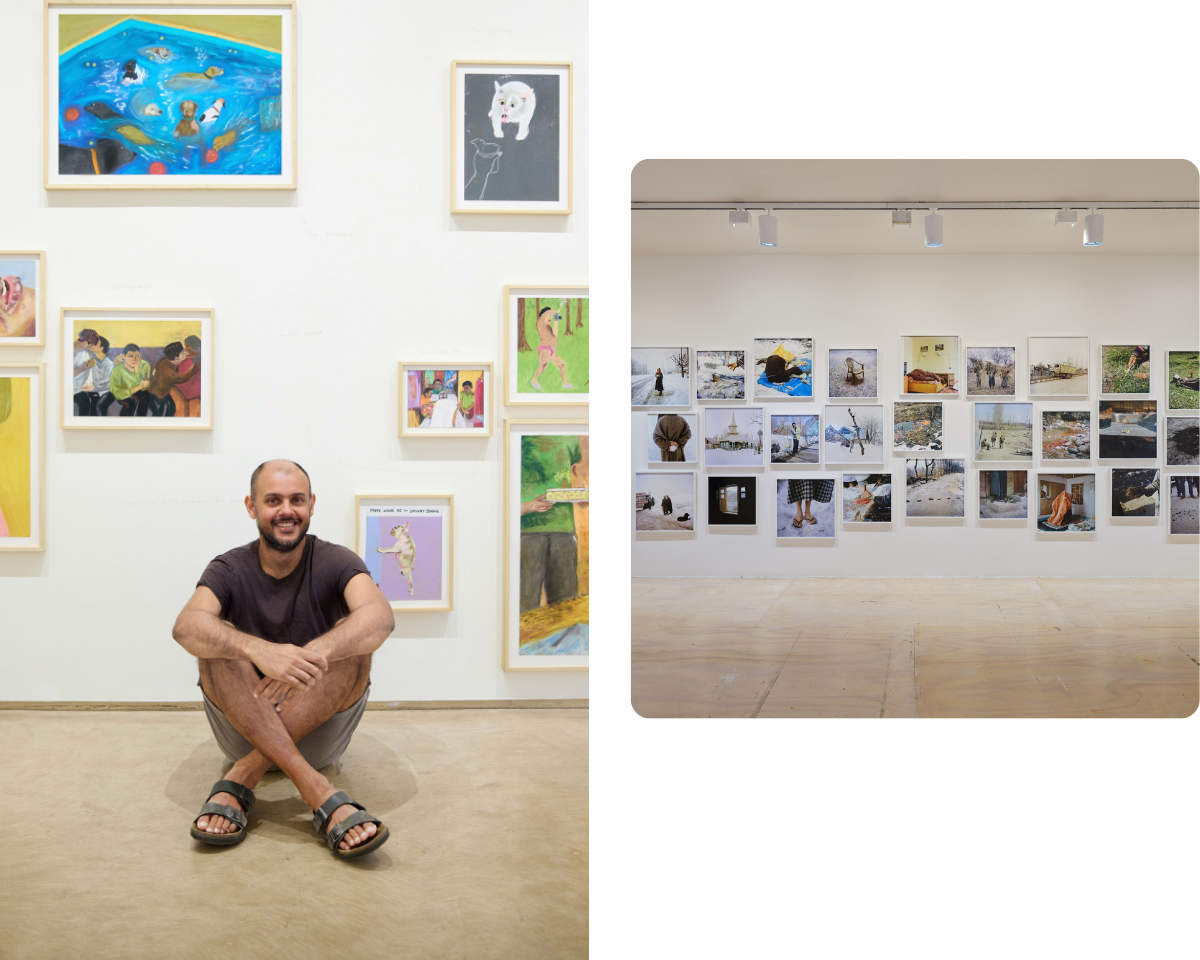
Sohrab Hura had a breakout year in 2025. He had his first U.S. survey at MOMA PS1 in New York, titled Mother, which showcased more than 50 works from the past two decades of his practice — including film, photography, sound, drawing, painting and text. He won the Eye Art & Film Prize 2025, awarded by the Eye Filmmuseum in Amsterdam, for his ability to bridge art and cinema. His video Disappeared (2025) debuted at the 50th Toronto Film Festival and he had a solo show, titled The Forest, at the Experimenter gallery in Kolkata. Hura’s ability to blend multiple mediums makes his oeuvre especially interesting.
Sumantra Ghosal and Naveed Mulki
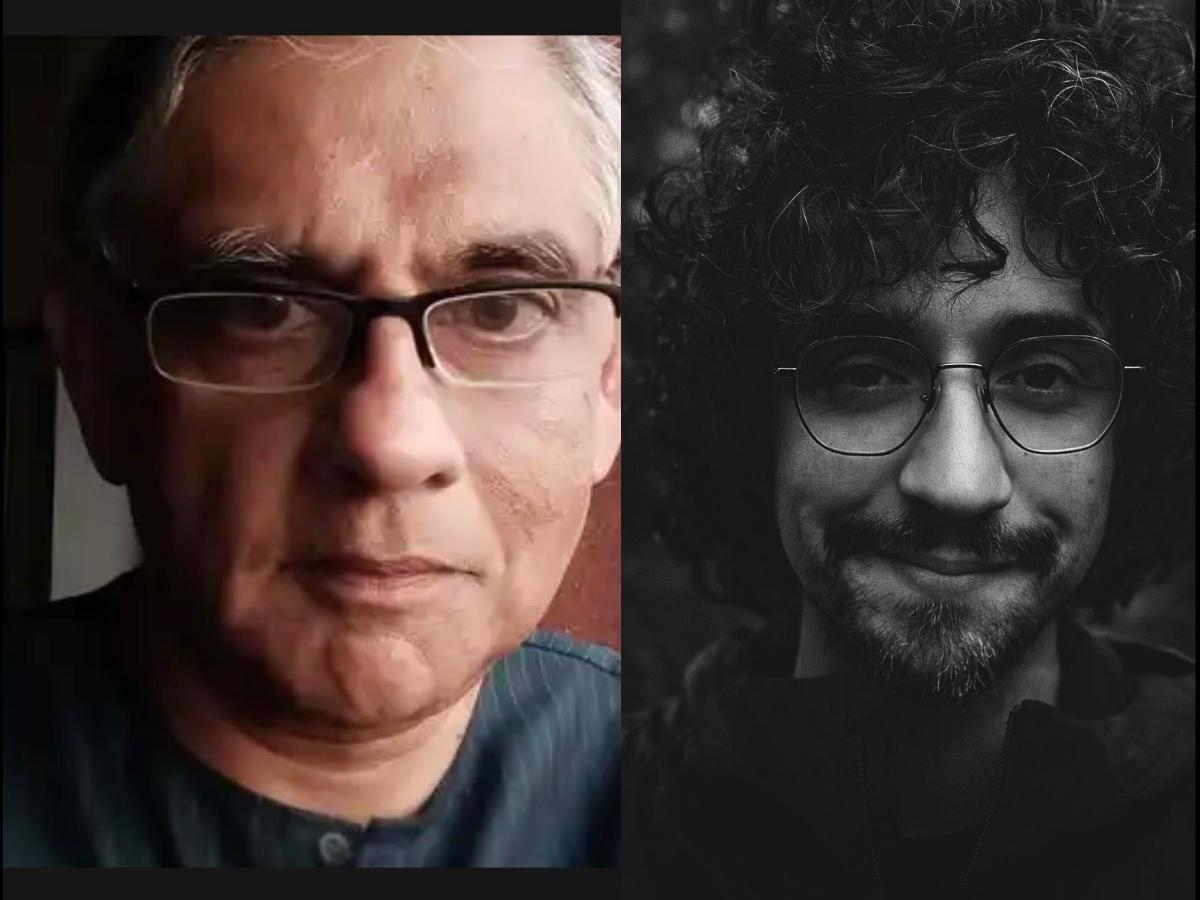
The filmmakers Sumantra Ghosal and Naveed Mulki also stood out for me this year because they created short films on art. Sumantra did a series of films called Articulate that takes a close look at select artworks and artists in the MAP (Museum of Art & Photography) collection, pushing us to look deeper into the sometimes curious and often spectacular ways in which art works. Naveed created beautiful short films called In Between Spaces that explore artists as friends, mentors and guides. These provide an intimate look at some of India’s most renowned artists — their lives, inspirations and practice — through personal stories. Some of these shorts can be seen not only at MAP but at Bengaluru’s Terminal 2, so that they engage a wider audience.
— Abhishek Poddar, founder, Museum of Art & Photography (MAP)

Aparna Rao; Khushnu Panthaki Hoof and Sönke Hoof
Artist-designer, and architects
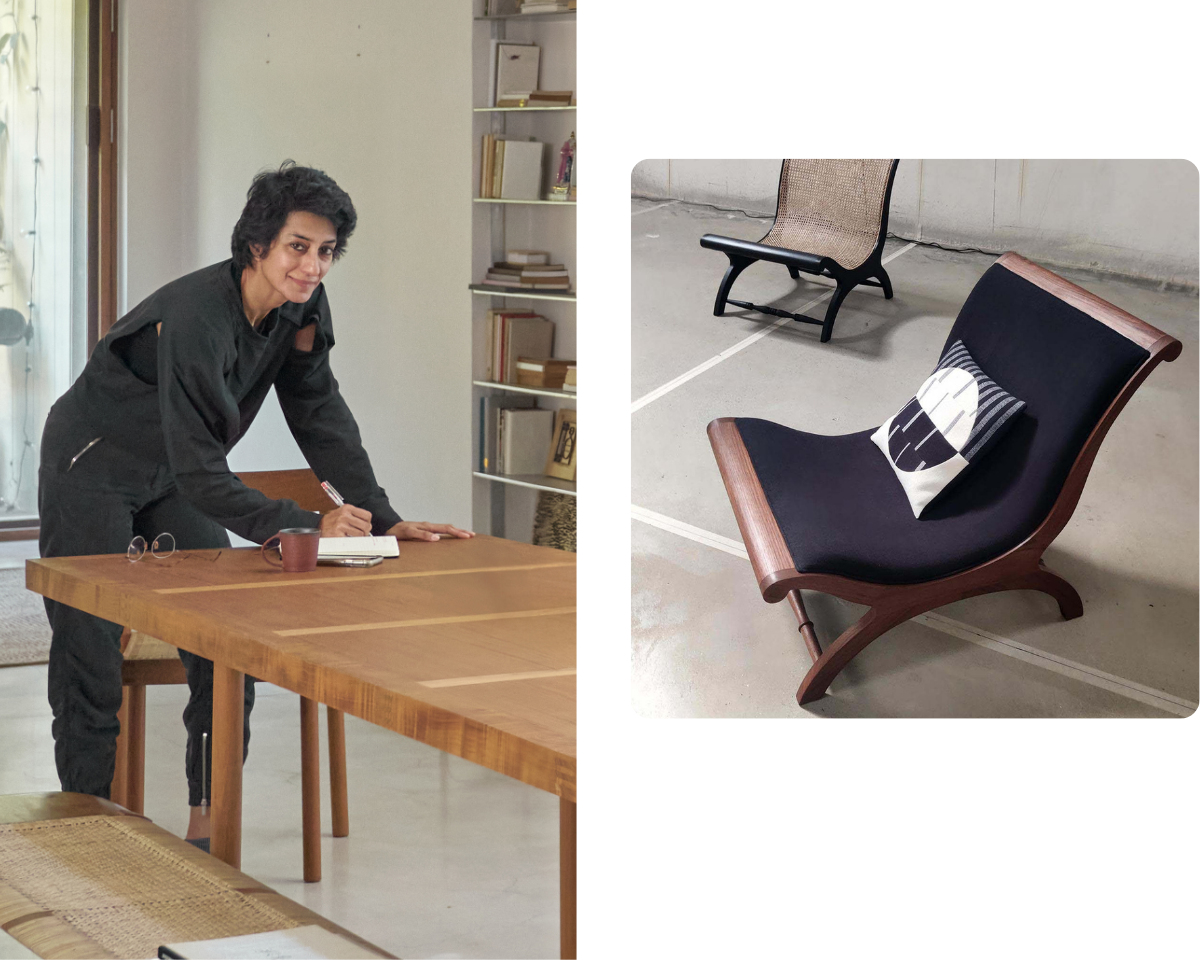
Aparna Rao
Aparna Rao of Phantom Hands made an impact by reissuing the late Sri Lankan architect Geoffrey Bawa’s furniture, lighting and objects collection. The exhibition, Design in the Moment, was unveiled at Milan Design Week 2025. I was most impressed by not just the form and function, but also the purity of intent in keeping with Bawa’s vision.

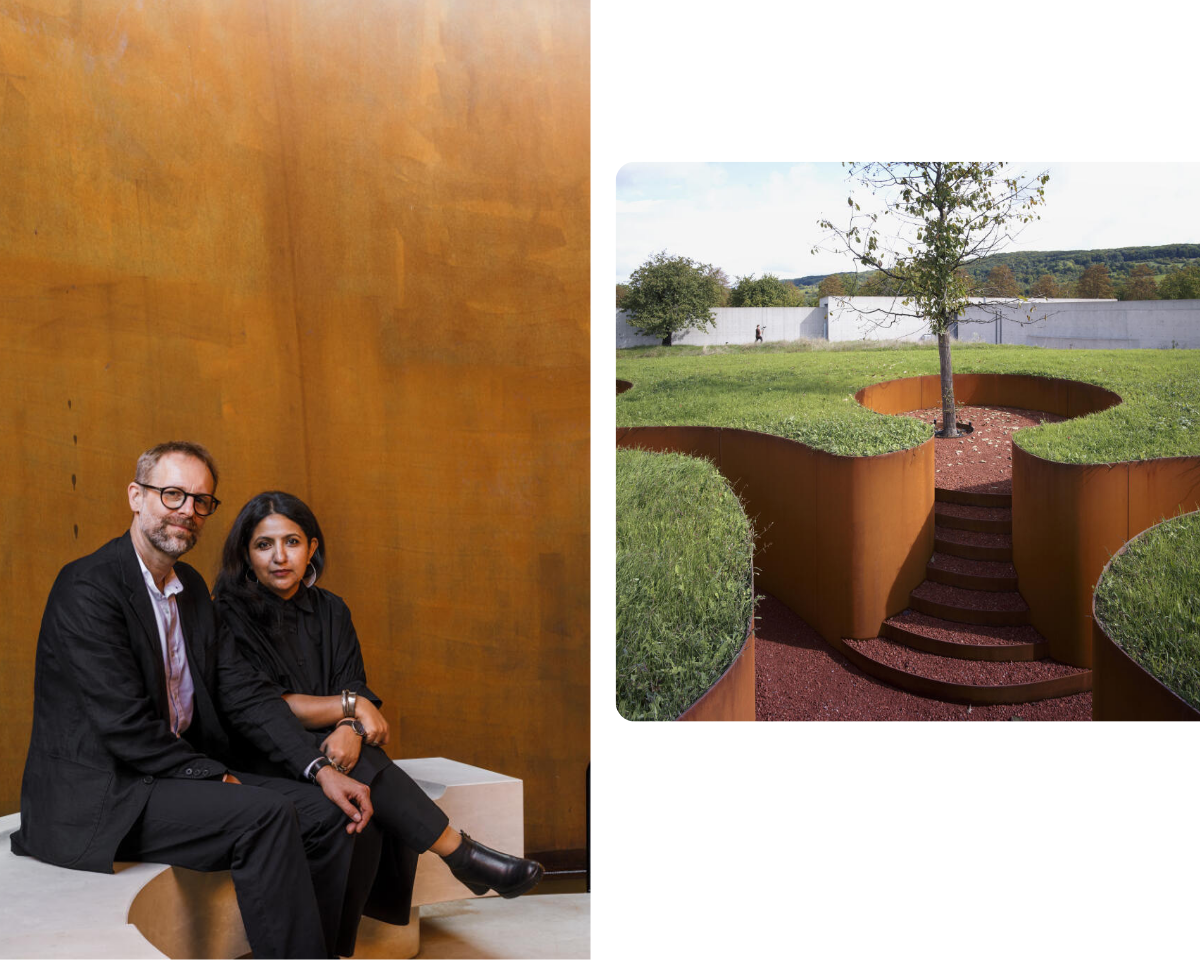
Khushnu Panthaki Hoof and Sönke Hoof
Khushnu Panthaki Hoof and Sönke Hoof of Ahmedabad-based Studio Sangath were able to create the final architectural work of the late B.V. Doshi, India’s first Pritzker Architecture Prize recipient, in Germany. This was opened a few months ago and is Doshi’s first and only project completed outside of India. The pavilion is at the Vitra campus, and is created with steel. It is a quiet, contemplative space that gave me goosebumps.

— Vinita Chaitanya, interior designer

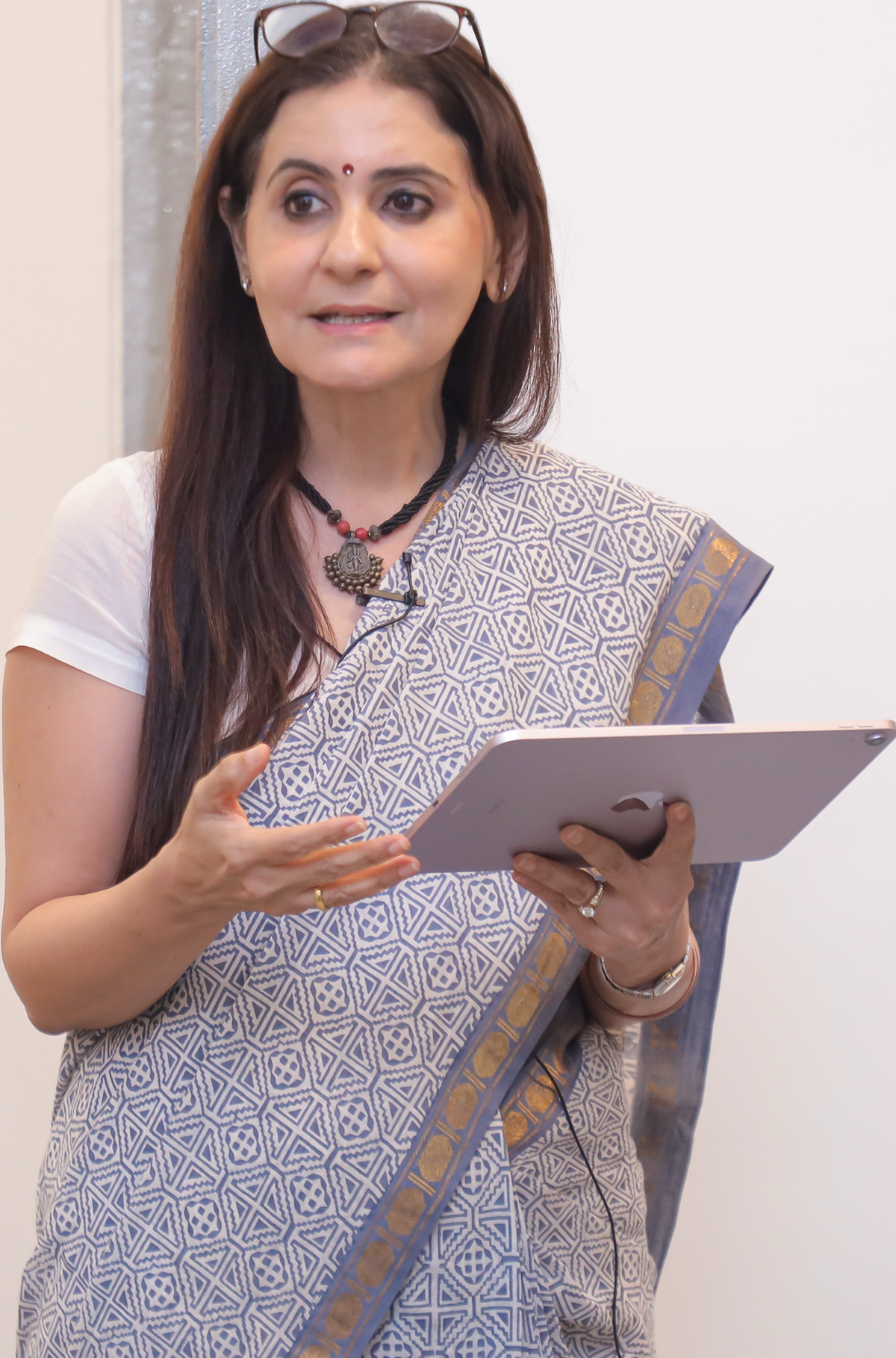
Mayank Mansingh Kaul
Writer and curator who has changed the way we view textiles
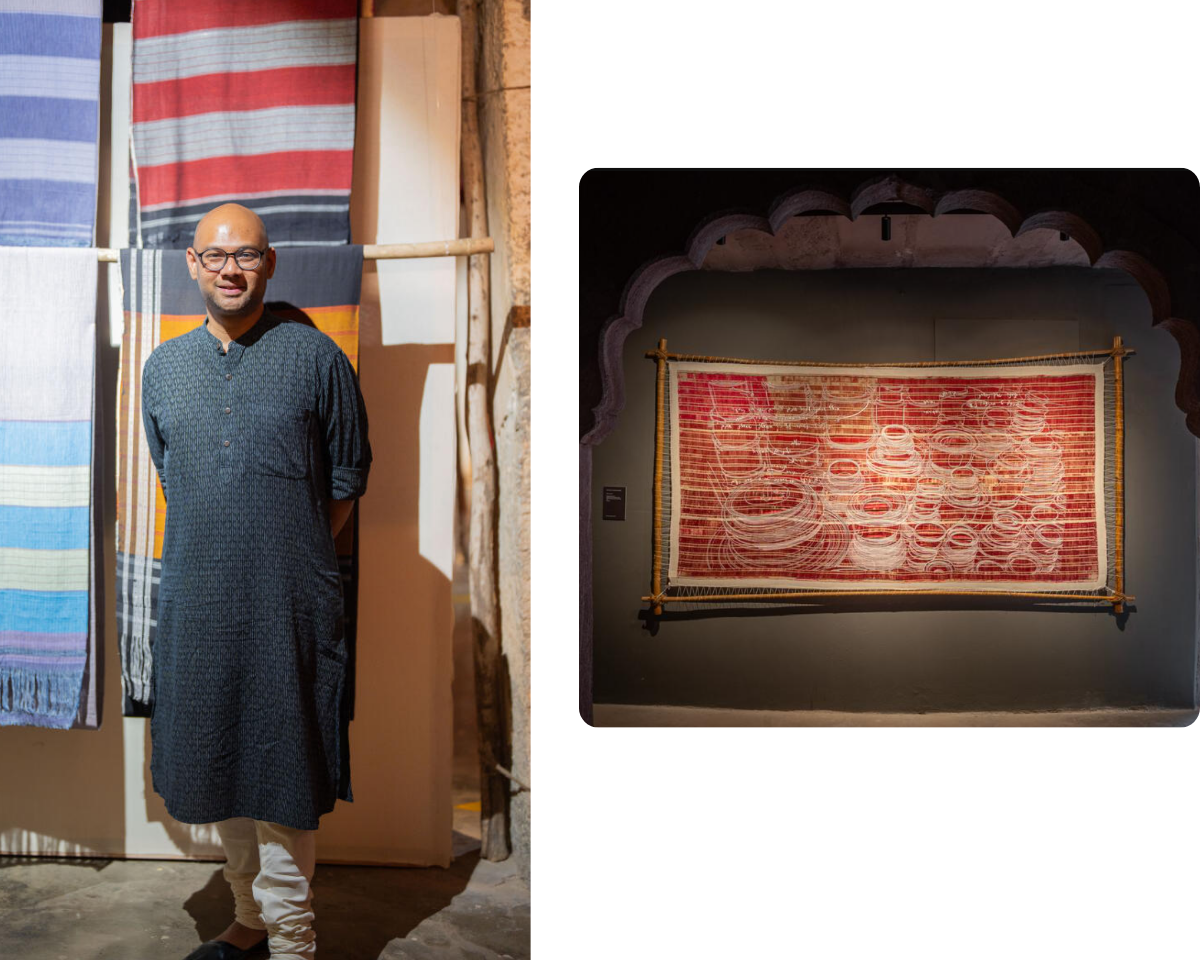
The renowned curator and textile historian is a powerhouse, re-shaping the way we view textiles today. In 2025, he curated Ce qui se trame – Histoires tissées entre l’Inde et la France (Mobilier National, Paris), which marks a significant Franco-Indian collaboration. He brought together historical material, contemporary textile art and creations from Villa Swagatam, the Indo-French residency programme, to illuminate centuries of exchange between the two cultures. Earlier in the year, he curated Surface in Jodhpur’s walled city, India’s first large-scale exhibition dedicated to embroidery and surface-embellishment as art, transforming heritage architecture into immersive environments that repositioned traditional techniques as conceptually driven practices. His recent work also includes curatorial advising for the textile-led programming at India Art Fair; and the ongoing research engagements with collections at MAP in Bengaluru and Devi Art Foundation in Gurugram.

— Inakshi Sobti, CEO, Asia Society India

Arpita Singh
Artist whose retrospective travelled to London’s Serpentine
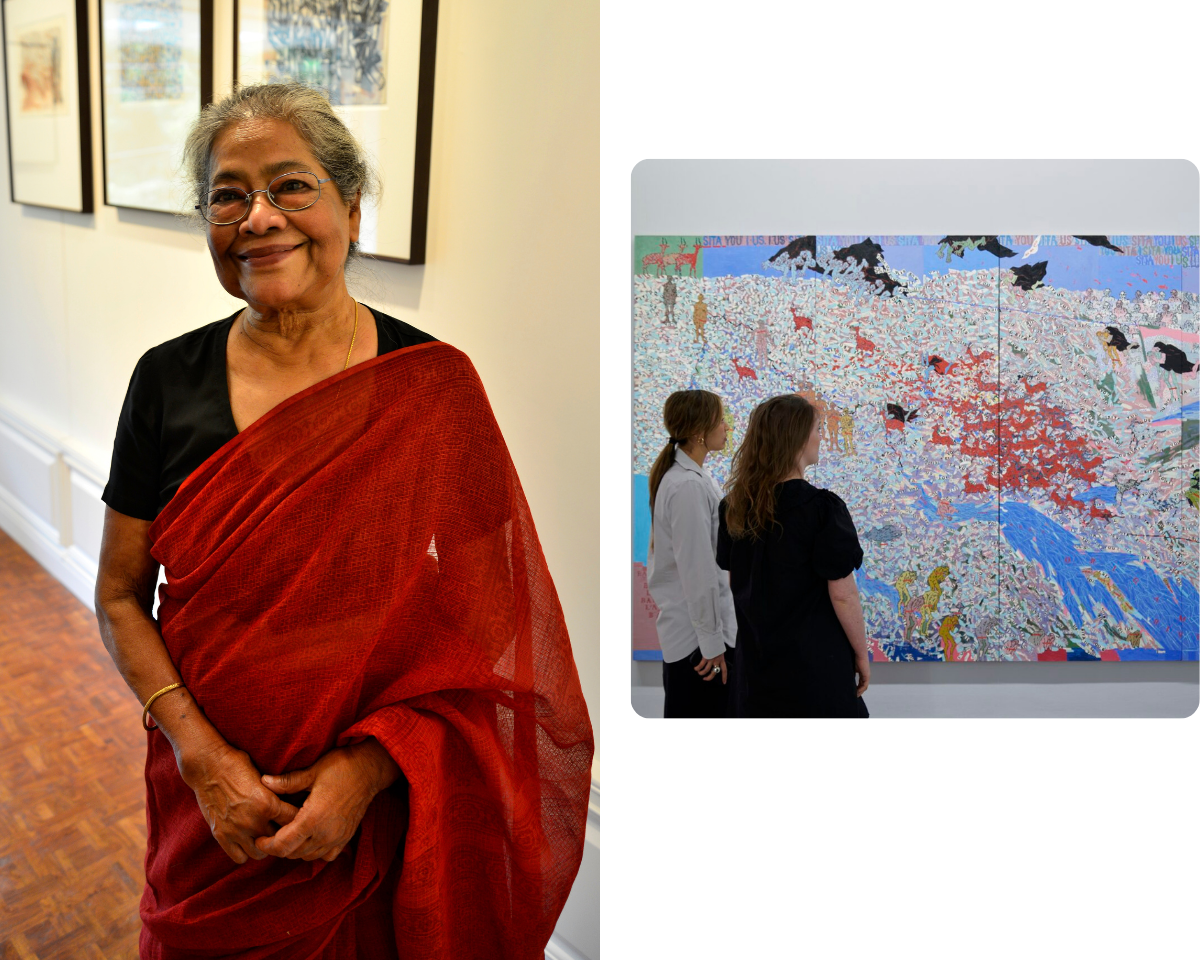
Now in her late 80s, Arpita Singh is a painter who has been practising for almost seven decades and is finally getting her much-deserved due on the international art map. Her retrospective, Remembering, at the Serpentine Gallery in London in early 2025 was a milestone for Indian art. Singh’s world, in terms of subject matter, was often considered hyperlocal, depicting experiences most inherent to her as an individual. But the Serpentine show gave it a platform that was relatable to viewers across the world. The exhibit showcased her early works, abstract drawings and later canvases that not only demonstrated her wide practice but an evolving world through these decades. It was not just about an Indian painter making a mark internationally, but also an example of Indian history being viewed and understood by a global audience.

— Udit Bhambri, art patron
Smita Prabhakar
Art patron who launched Ishara House in Kochi for research
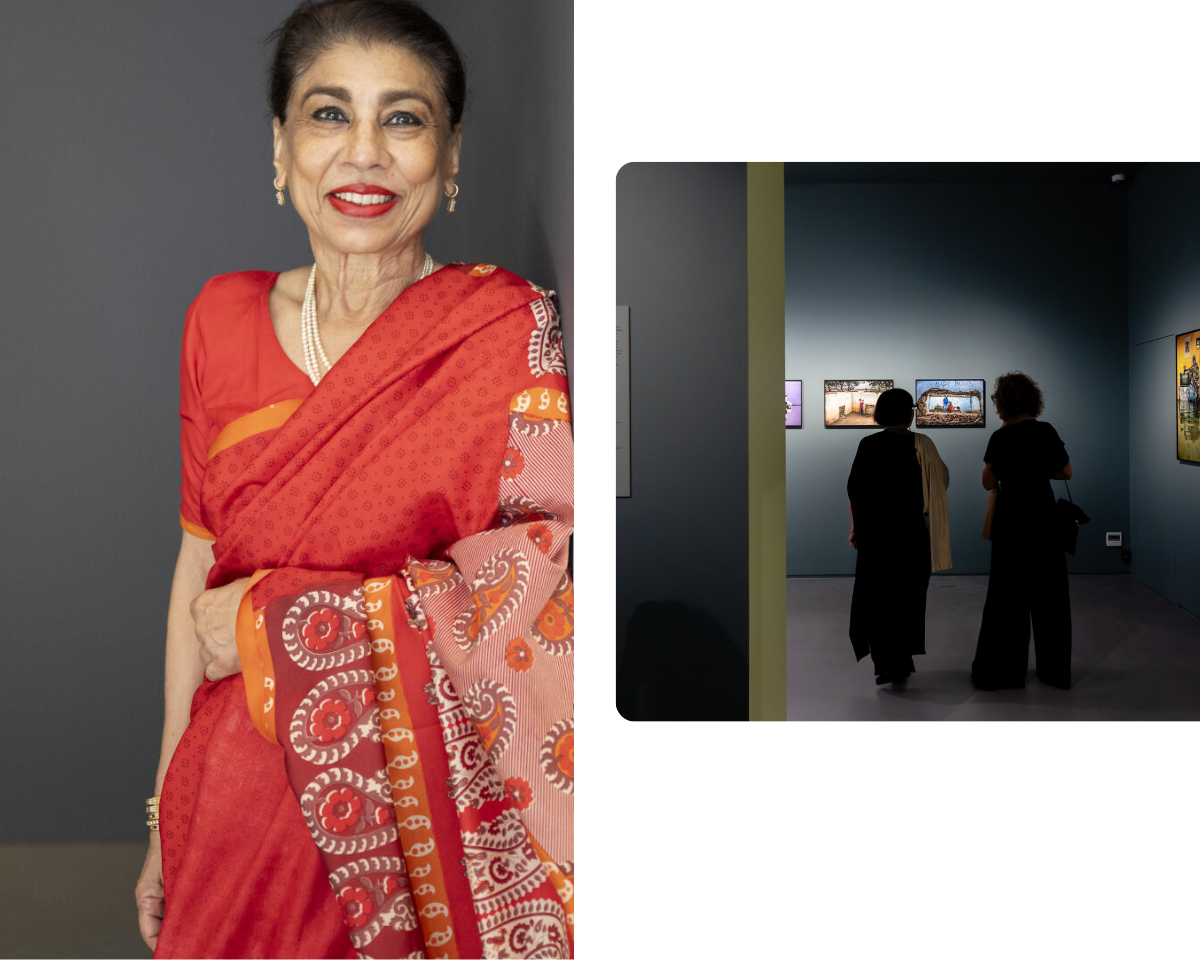
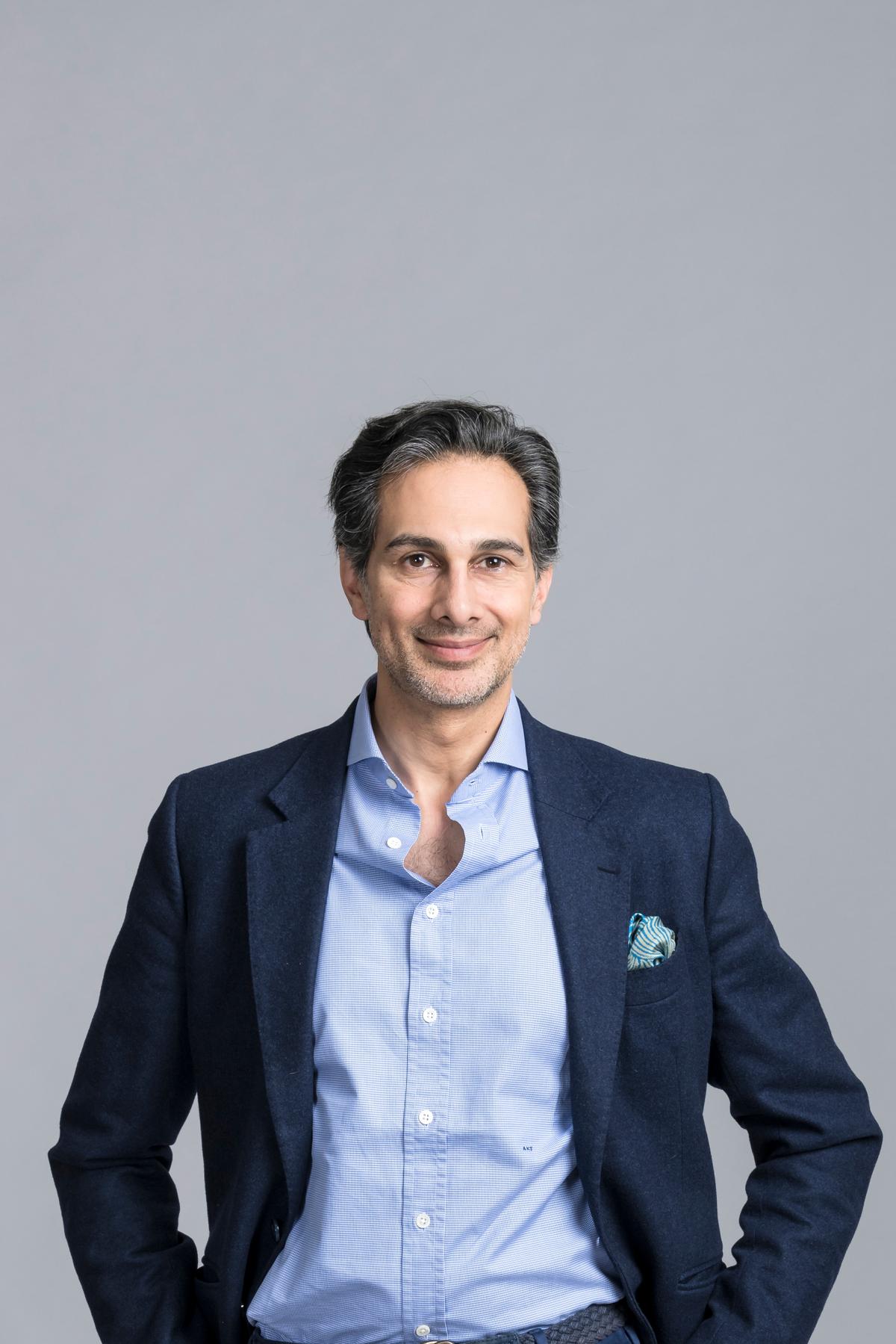
Smita Prabhakar’s Ishara Art Foundation, based in Dubai, underlined its role as a bridge between South Asian artistic expression and its growing public in 2025. Ishara opened the year with a pathbreaking presentation — Shilpa Gupta’s Lines of Flight, her first solo exhibition in West Asia, bringing together major works across nearly two decades, alongside a newly commissioned sound installation, and foregrounding her piercing engagement with borders, control, mobility and resilience. Also this year, Prabhakar signalled a long-view commitment to India by announcing and activating Ishara House in Kochi, a new research and exchange-oriented project anchored at Kashi Hallegua House in Jew Town. In her own discreet way, she illustrates a deep understanding of contemporary art practice in the country and the potential role to be played by private philanthropy.
— Amin Jaffer, art historian, director of Al Thani Collection, and curator, India Pavilion at Venice Biennale 2026

BEYOND BORDERS
Hoor Al-Qasimi
Curator and president-artistic director of the Sharjah Art Foundation
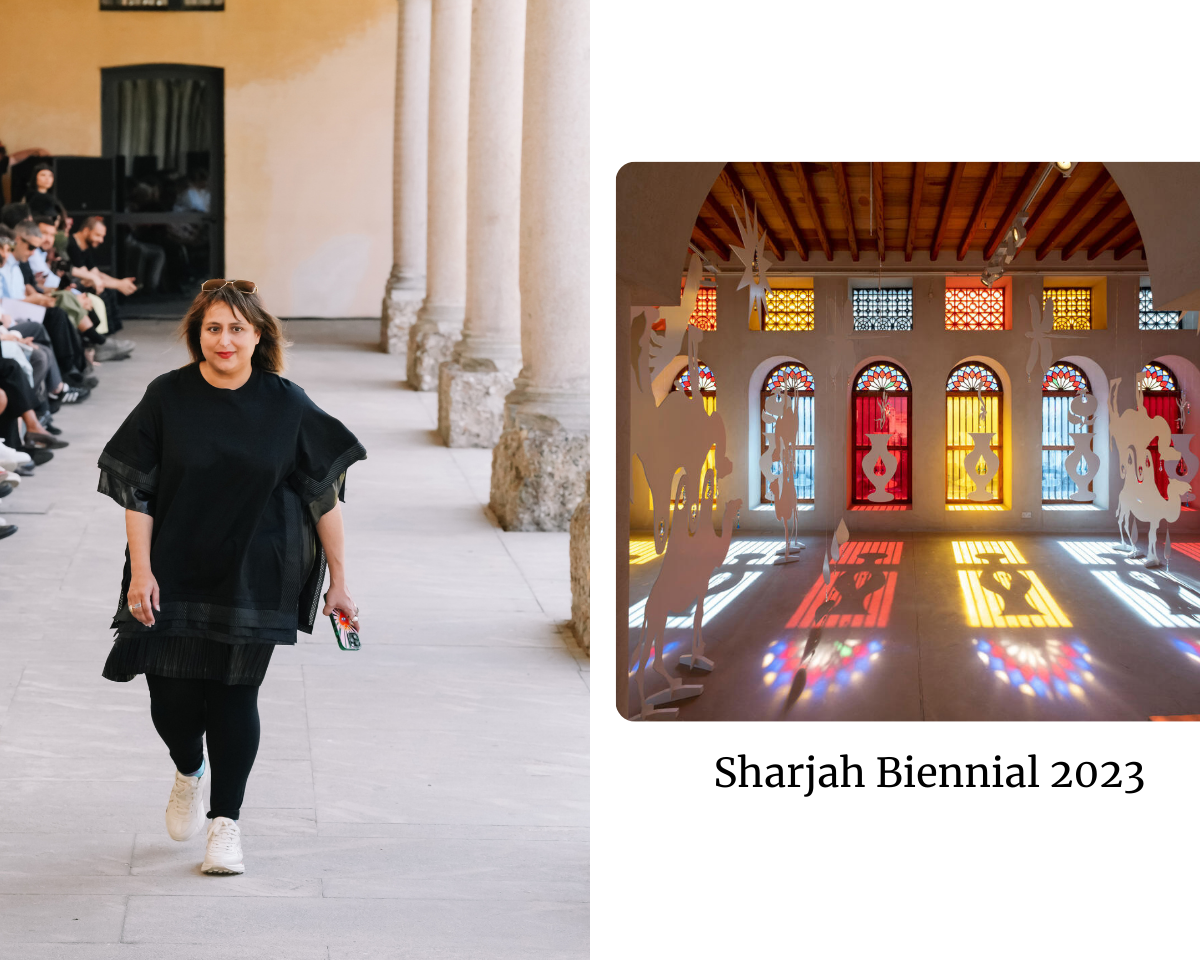
Hoor Al-Qasimi, long-time director of the Sharjah Biennial, has turned the port city in the U.A.E. into one of the world’s most dynamic hubs for contemporary art. This year, at the 16th edition of the Sharjah Biennial, she worked alongside other curators to spotlight art and artists from South Asia, including Viswanadhan, one of the co-founders of the Cholamandal Artists’ Village in Chennai, who lives and works in Paris.

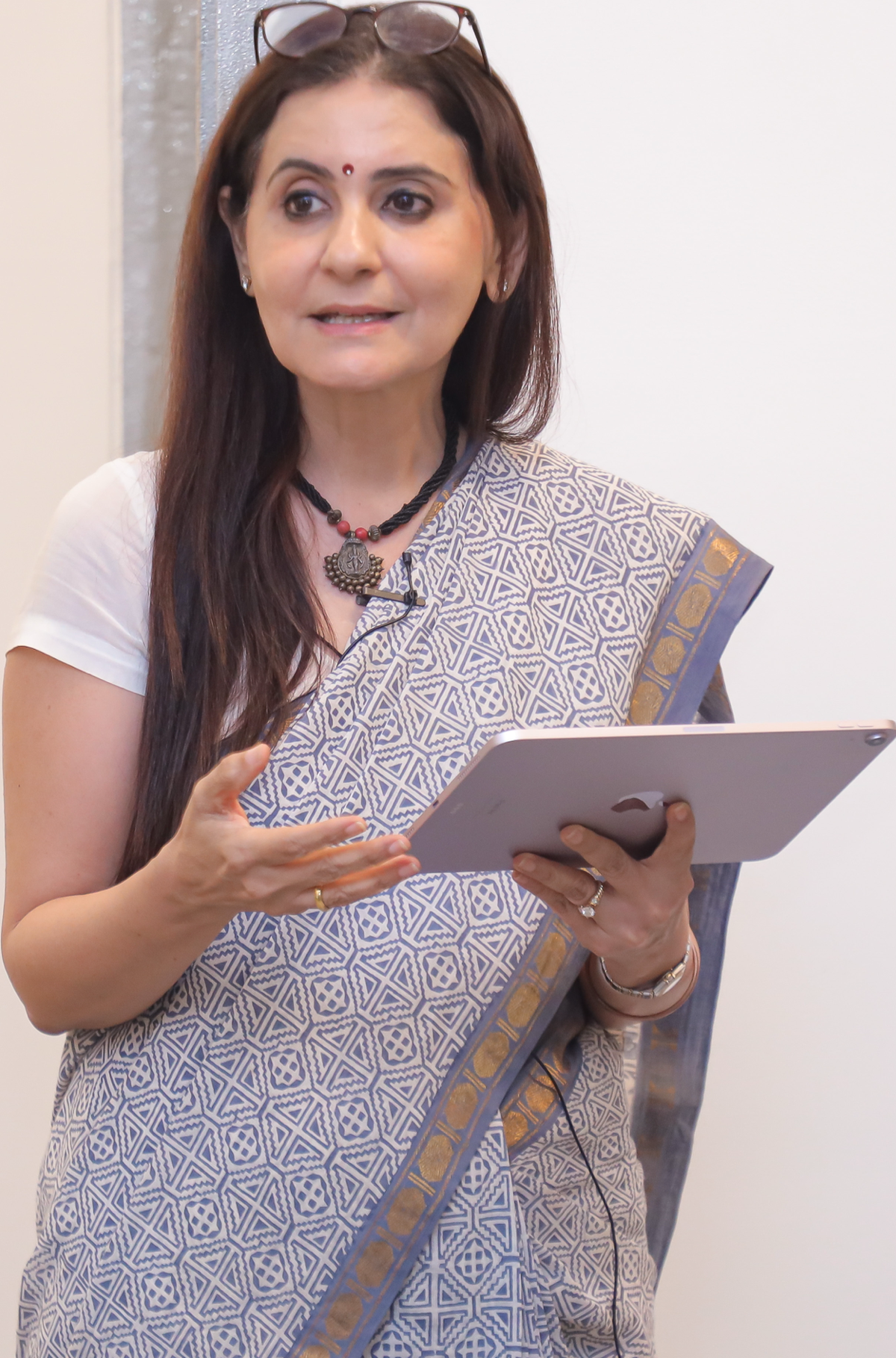
In a milestone shift for global biennials, Hoor was appointed the artistic director of the sixth Aichi Triennale in Japan in 2025, becoming the first non-Japanese person to hold that role — a recognition of her global curatorial vision and her capacity to bridge geographies. Alongside this, she has also been named artistic director of the Biennale of Sydney, to be hosted in 2026, attesting to her growing influence in the international contemporary-art circuit. Thanks to her, Indian and South Asian art are gaining a wider audience.
— Inakshi Sobti, CEO, Asia Society India
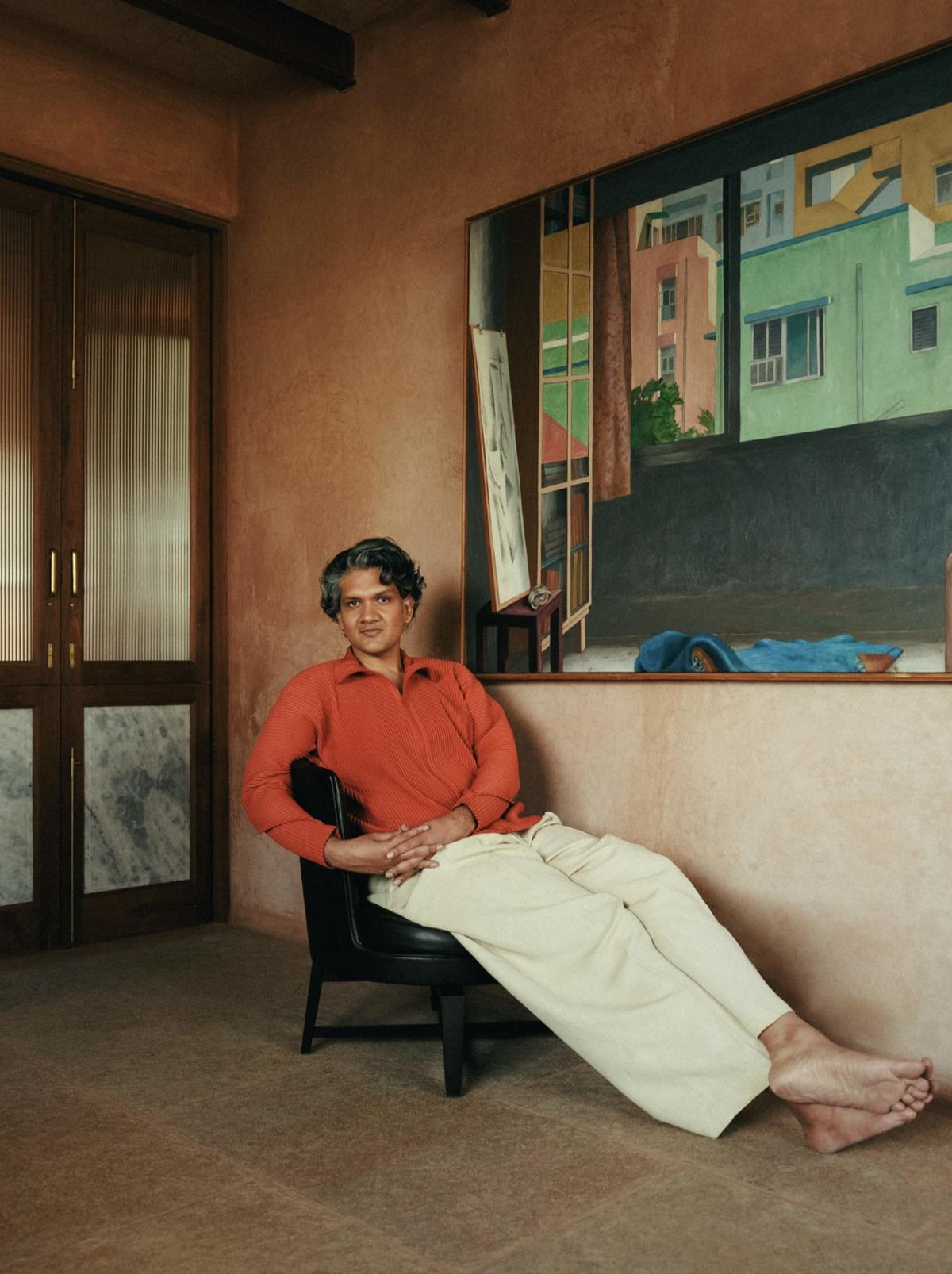
Christopher Kulendran Thomas
Artist who explores being human in the age of AI
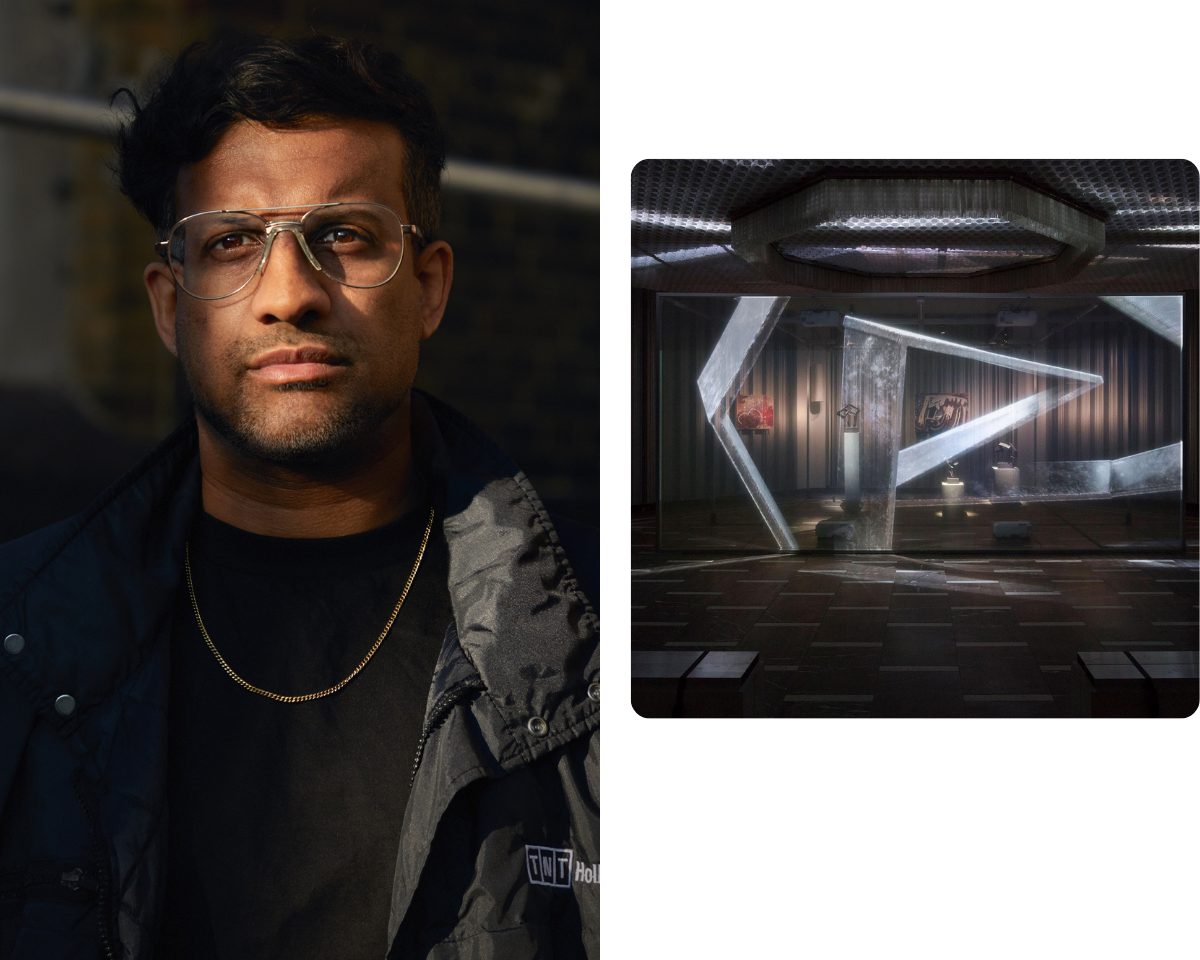
I encountered the works of this artist of Tamil descent, who grew up in London after his family left Sri Lanka during the civil war, earlier this year at his show Exhale, at Experimenter in Mumbai. His use of AI to generate digital files that he then mines for his paintings are both fascinating and revelatory. As we all know, AI was the big topic of 2025. I was impressed with how Thomas is using technology as a tool to further his artistic practice. His exploration of colonial influences on Sri Lankan art history through tech has been widely appreciated, with one of his works, a video installation called Being Human, on display at the Museum of Modern Art (MOMA) in New York till 2027. He has had a phenomenal year with seven major showings around the world. In the new year, we can look forward to a large show in Dusseldorf as well as a major commission from the New Museum for its re-opening in New York.
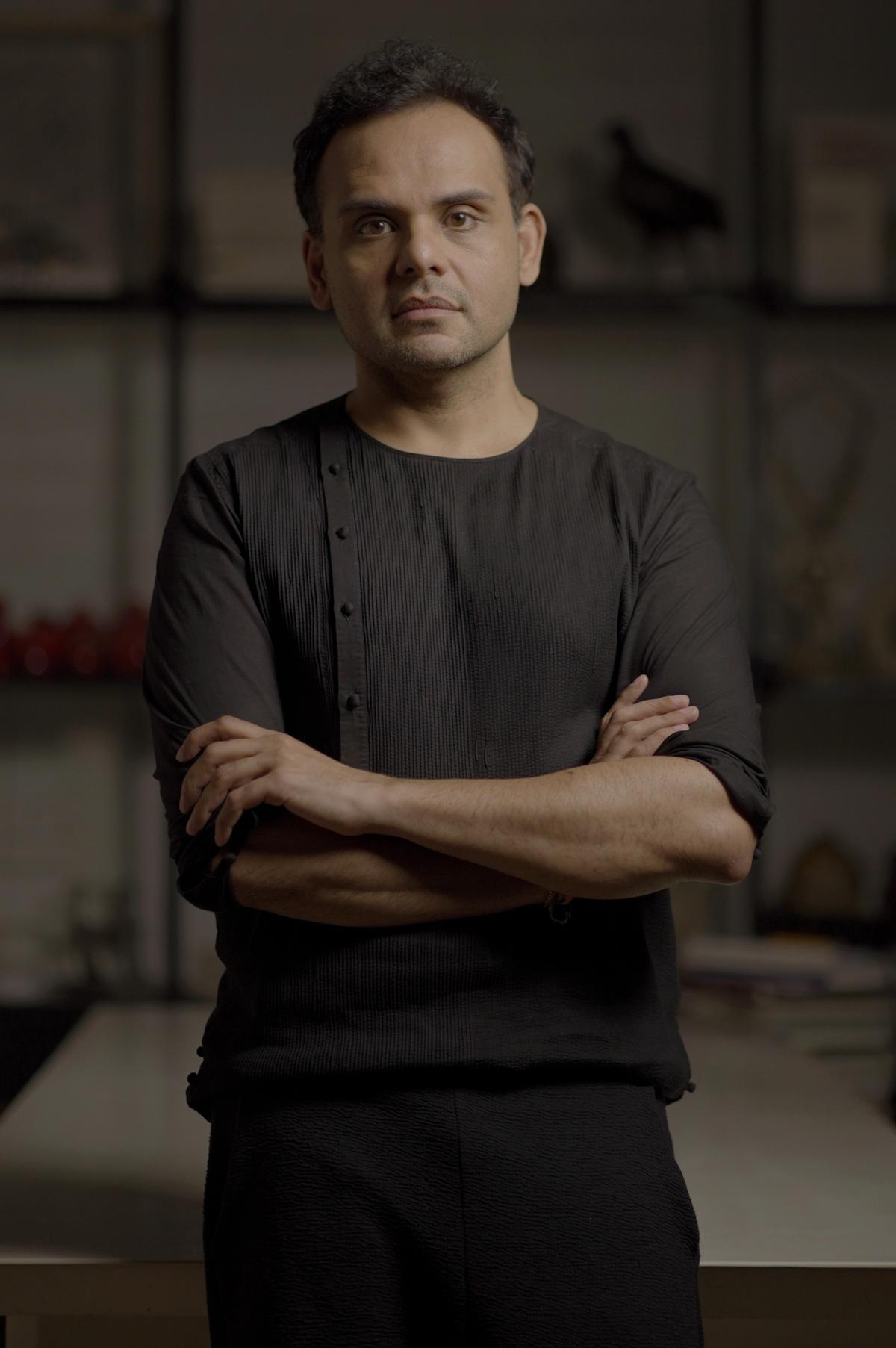
— Ashiesh Shah, architect

The writer is a Mumbai-based journalist and author.