Olivia, our granddaughter, said, “If there isn’t a photo, it didn’t happen.”
This may be a bit extreme, but to some, photography freezes time with an immediacy no other medium can match. A photo is an imprint of something that truly exists: a person, a place, or a gesture. To accumulate such images is to collect moments that survive.
The neuropsychology of collecting helps explain why photographs, in particular, exert such pull. When individuals engage with pictures that evoke emotion, whether joy, nostalgia, melancholy, or fascination, the amygdala and hippocampus often activate simultaneously. The hippocampus retrieves or simulates memories; the amygdala reacts to their emotional importance. Together, they produce a sensation of reliving.
The Past Through Photography
Owning the image allows the collector to “replay” an internal state at will. This gives photographs an unusual capacity to anchor memory and stabilize emotional experience. For older adults or anyone sensing the acceleration of time, photography offers an externalized sense of temporal control: a way to hold on.
Phylogeny
This idea aligns strongly with research by Kislinger and Kotrschal (2021), who argue that the human attraction to photography stems from hunter-gatherer tendencies. Instead of assimilating berries or tracking prey, modern humans gather images that serve as visual tokens. They represent the social, emotional, or ecological information that would once have been essential for survival. Kislinger and Kotrschal (2021) propose that collecting pictures, digital or physical, emerges naturally from cognitive systems that reward attention to faces, social cues, landscapes, and potential threats. Their work helps explain why people feel compelled not just to take photographs but also to accumulate and organize them. Collectors, in their view, are contemporary gatherers of visual knowledge.
Neuropsychology
The act of collecting photographs also engages the brain’s reward pathways, particularly the dopaminergic circuits in the ventral striatum. The pleasure is not simply in possession but in refinement, choosing one print over another, recognizing a rare early state, or identifying an overlooked process. Photography lends itself particularly well to this sense of mastery because its variations are endless: differences of paper, exposure, chemical process, historical moment, or artistic intention. Even vernacular or anonymous photographs offer a playground for connoisseurship. The collector becomes a curator of nuance, rewarded with a thrill of discovery.
Approachability
The accessibility of photography heightens this excitement. Unlike painting or sculpture, collecting photographs does not require large rooms, specialized knowledge, or substantial capital. They were historically inexpensive to produce and widely distributed. That democratic quality continues to shape the market: One can collect everything from 19th-century cabinet cards and Depression-era snapshots to mid-century street photography or contemporary digital prints. Because photography feels familiar—it’s something almost everyone has created, handled, or lived with—it invites participation from people who might feel intimidated by more traditional art forms. Collectors often describe a sense of personal legitimacy: Photography feels like it “belongs” to them.
Reactions
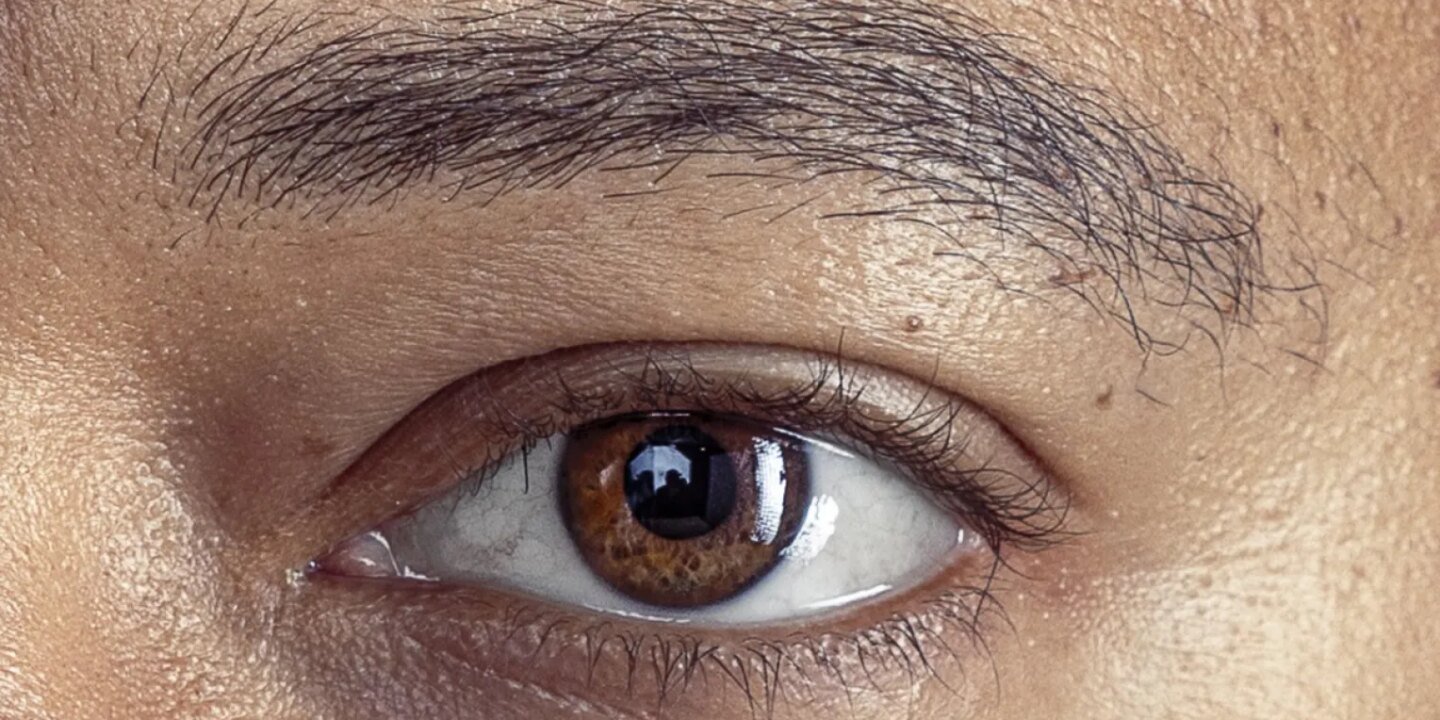
Emotional resonance deepens this attraction. Neuroimaging studies show that faces activate the fusiform face area rapidly and automatically, while landscapes trigger the parahippocampus. Photography tends to present these core categories in distilled form, producing immediate engagement. A portrait may feel like a relationship; a street scene may evoke a life one could have lived. There is often an uncanny sense that the subject of the photograph is “looking back, For collectors, this emotional jolt can be the very reason a photograph becomes indispensable.
Connection With the Past
Photography also situates collectors within a larger cultural narrative. A photograph from the 1920s or 1950s is not merely an object; it is a direct point of contact with another era’s social realities, fashions, technologies, and visual sensibilities. Collecting becomes a way of stitching oneself into a timeline. Owners often report that their photographs help them understand where they came from and how historical forces shaped the present. This aligns with broader psychological research indicating that humans seek continuity and coherence in their personal narratives, especially as they age.
Identity
Another dimension of collecting photography is identity. People often gravitate toward images that embody qualities they value or long for. Someone who collects strong, self-possessed portraits may be gathering confidence by proxy; someone who surrounds themselves with serene landscapes may be creating an externalized image of calm. Meanwhile, collectors drawn to war photography or documentary work may be seeking both emotional distance from and control over themes of danger, loss, or resilience. Photographs become extensions of self, external markers of internal themes.
Price point
The marketplace reinforces much of this behavior. Photography remains relatively affordable compared with other art forms. This allows collectors to build a deeply personal, intellectually rich collection without significant financial barriers. At the same time, the field offers genuine investment opportunities, especially in vintage prints, early color processes, and work by artists who later rise in prominence. This combination of emotional, historical, and financial value makes photography unusually flexible as a collecting category.
Summary
Still, the deepest reasons for collecting photography remain psychological. It gathers together the essential human drives: to master the world, to remember it, to feel connected within it, and to create a personal archive of meaning. Kislinger and Kotrschal (2021) add a further evolutionary dimension, suggesting that photography satisfies not only modern but also ancestral appetites. The collector of photographs is, in this sense, a contemporary hunter-gatherer of moments rather than food, assembling a visual storehouse. It is a uniquely human practice, shaped by biology, culture, and an almost instinctive desire to gather the world into our hands and keep it.