Minimalism may be having its moment in design circles, but it has never been the way India lives. We are a culture of abundance – layered, expressive, unapologetically maximalist in the most glorious way.
From Kashmir to Kanyakumari, we are wrapped in tradition, drenched in colour, adorned with meaning. Our expression lives in the details. It is seen in what we wear, how we celebrate, the rituals we hold dear. Nothing about the way we live is half-hearted. Our festivals erupt in colour. Our weddings unfold over days. Our cooking is a symphony of flavours. We dye our fabrics in turmeric, indigo and blood orange. Even our greetings are generous gestures that are warm and expressive.
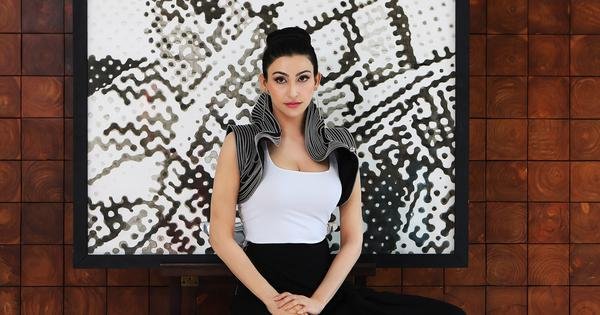
I tend to carry this same maximalist energy into my style. I dress like I live – with layers, with stories stitched into every fold. I take pride in the fact that my style is deeply intuitive and unapologetically mine. It makes a statement on its own terms, without needing validation from trends or other people. But here’s the thing – I have never thought of myself as a fashionista. In fact, I don’t even read fashion magazines, let alone chase trends.
That said, I do go through phases when I am drawn instinctively to certain textures or colours. I may gravitate towards prints, not because they are trendy, but because they carry emotion. A particular flower might remind me of someone I love, or of a place I once wandered. A Japanese wave print can transport me back to a museum in Kyoto. A bold chintz might evoke stories of colonial trade, of craft, of quiet resilience.
But it wasn’t always this way.
There was a time – largely between 2009 and 2018 – when my wardrobe was completely black and white. Monochrome. Minimal. Stripped to the bare essentials. It mirrored my inner landscape – serious, contemplative, rooted in a deep sense of responsibility and quiet intensity. I think shaving my head at Tirupati Balaji had something to do with it. It was an act of surrender, of letting go, of clearing space both within and without. With a buzzcut, there was no room for ornamentation anyway. My clothes were pared back. My earrings were tiny studs. There was no colour or drama, just stillness.
That season of stillness taught me something invaluable. That is why, when I returned to colour, it wasn’t for spectacle, it was for its meaning. Dressing, for me, has always been about showing up in something that holds a story. I feel textiles are an important part of how India speaks, be it a Banarasi brocade or raw silk from Assam. I often find myself building entire looks around a single weave or embroidery. It is my way of honouring the craft, of letting the garment speak. Very often, I am not just wearing fashion – I am wearing Indian art. People often ask me, “Do you ever repeat clothes?” The answer is, all the time. I have saris that are over thirty years old, suits embroidered in the style of another era.
Just as style can preserve the past, it can also rise up to the demands of the present. That is what I felt when I dressed for the MASH Ball – the moment many remember from Fabulous Lives. The MASH Ball is a charity gala I conceptualised to bring people together in support of children – the most vulnerable members of our global community. The funds we raised went to UNICEF’s Art-Based Therapy and Early Childhood Development programmes, initiatives I believe in deeply. I have always wanted to do my bit to empower individuals to use their influence, resources and passion to create positive change in the lives of children. I want to foster a world where every child’s rights are upheld, and their future safeguarded. Given the cause, it felt important to show up that day with intention – not just in spirit, but in presence too.
I remember some friends joking before the ball, “You are sure to arrive in a white gown, dressed like an angel.” To be honest, that was actually my initial plan. It also made me wonder if I had become predictable. The more I thought of it, though, something made me pause. That night, I realised what I actually wanted was to embody the strength and beauty of empowered womanhood. It is with this thought that I started looking at portraits of women through history – women who weren’t just admired but revered; women who carried a certain charisma. That is when Cleopatra captured my imagination. There is only one word I have for her – “regal”. Inspired by her, I stepped into gold regalia, complete with headgear. I wore it not as a costume, but as a mood, a declaration. It was my way of honouring parts of myself that don’t whisper. That is the beauty of style; it lets you choose both the volume and the message you want to convey.
While for the MASH Ball, my message was bold, at other times it can be equally playful. Like the time I carried a phone-shaped bag to a TV show – a big, bold telephone. I had been told no phones were allowed on set, so I brought one as a fashion accessory. It wasn’t just a statement; it was a wink. Just like the sparkly hair clips I have worn. They remind me what it feels like to shine in small, defiant ways.
I believe fashion gives us permission to do both – to honour where we come from, and to play with who we are becoming. So yes, you can smile at the phone bag or raise an eyebrow at the gold cuffs. As long as you don’t miss the message: You need to dress for yourself. If your outfit reflects your mood, your energy, the whole room picks up on that. It is not about seeking approval; it is about finding alignment. Many people tell me how they avoid dressing up on days when they feel low. But I always say that is when it matters most. Bring out that gold cuff, the red lipstick. Not to impress the world, but to remind yourself of your own power.
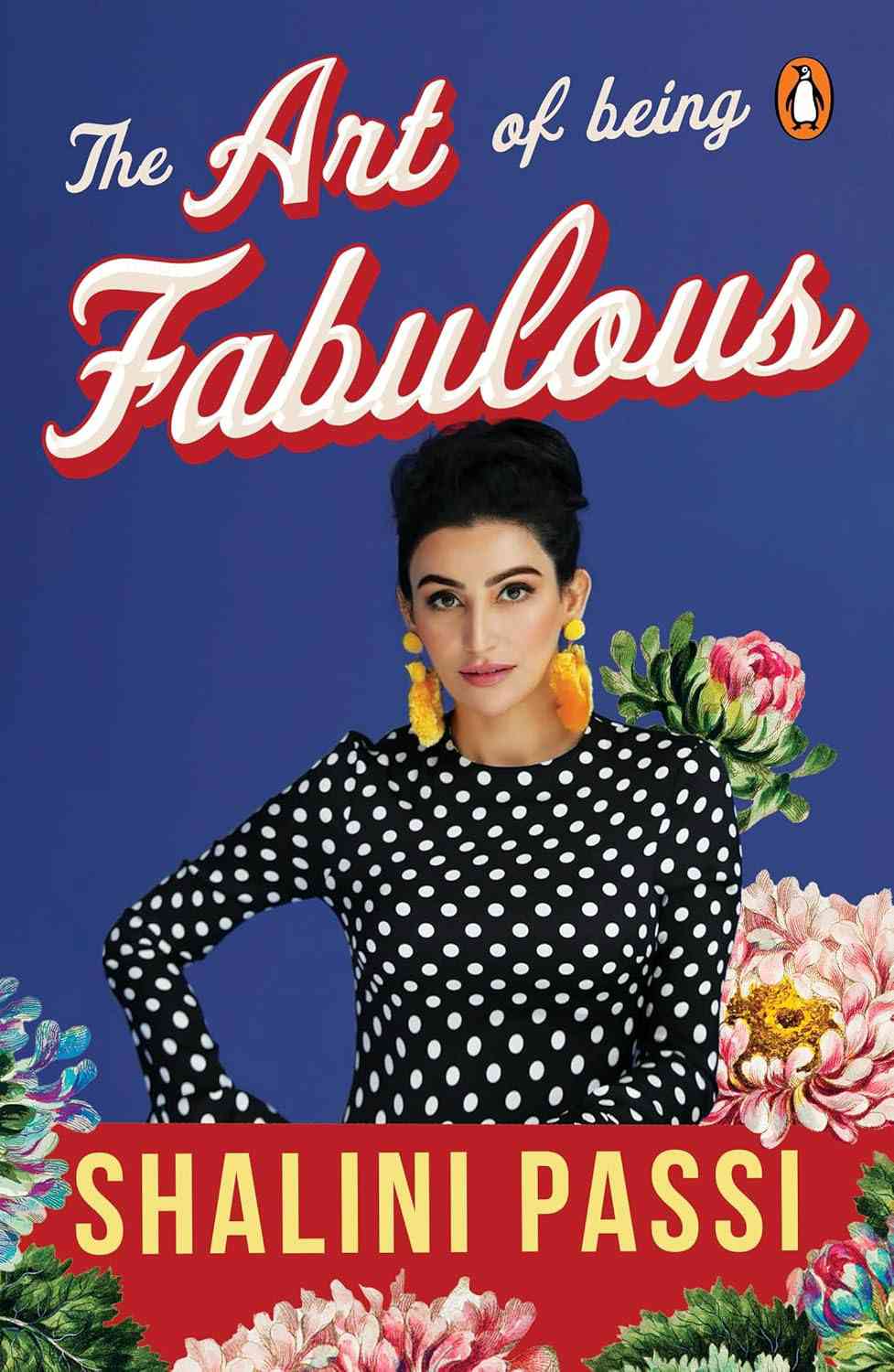
Excerpted with permission from The Art of Being Fabulous: 10 Rules for a Beautiful Mind and Life, Shalini Passi, Penguin Random House India.