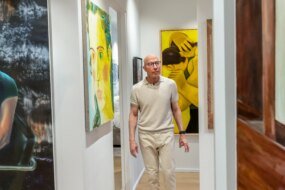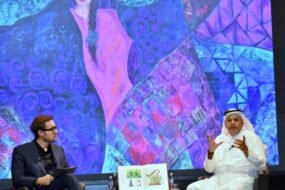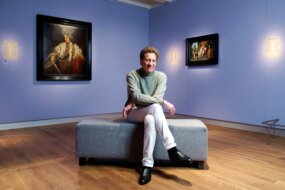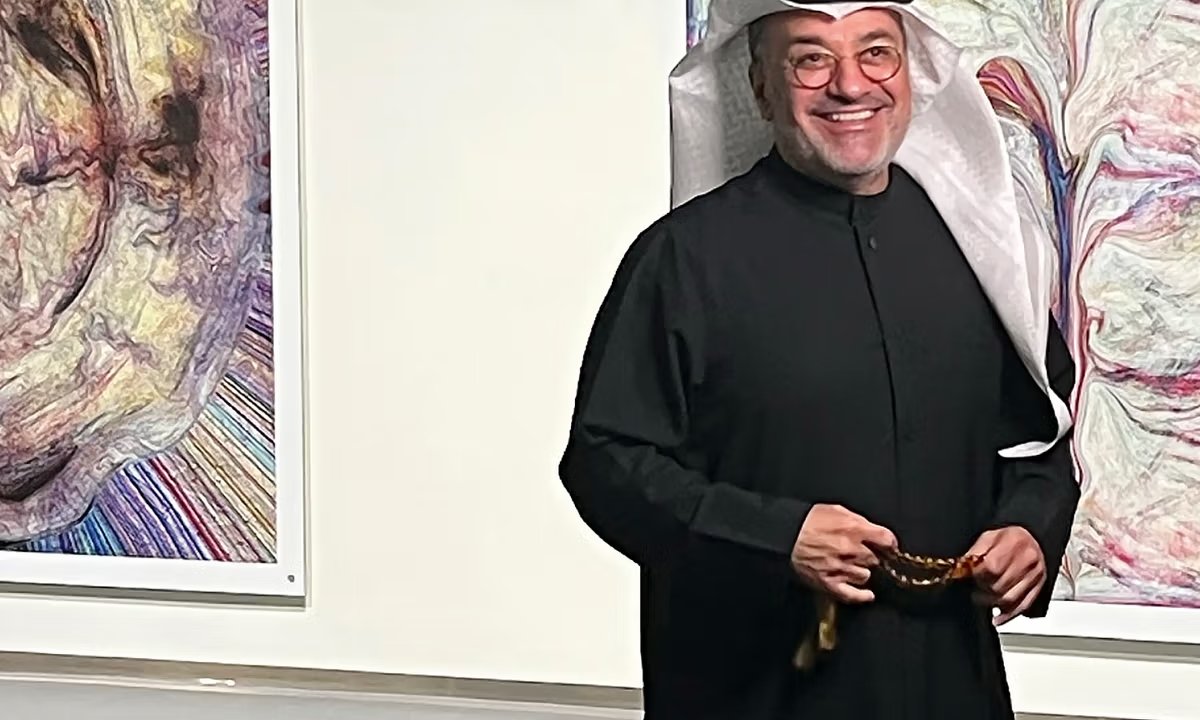
The international reputation of Qatar’s art scene is fast rising thanks to its impressive museum presence. But far less is known about its fledgling grassroots scene, behind which you will find Tariq Al Jaidah: a patron and dealer who is determined to establish a self-sustaining market for his country’s young artists. In 2007, Al Jaidah opened Qatar’s first ever commercial gallery, Waqif Art Centre, which later reopened as the non-profit Katara Art Centre. He also funded the Doha launch of the Dubai gallery The Third Line, which ran between 2008 and 2011, before closing amid the global recession. Most recently, he has set up Wusum, a commercial gallery established in 2023, which shows emerging Qatari artists and aims to develop a new base of young local collectors.
“We have some of the world’s leading collections and plenty of money, but there has to be something happening lower down the ladder,” Al Jaidah says. But building a market does not happen overnight, nor does it come without hurdles. “We are not yet where we need to be with local collecting. What I’d really like to see is the emergence of more museums outside the purview of the Qatar museum authorities, more foundations established and more corporate collecting. We have far less of that than our neighbours in Saudi Arabia and the UAE.” Al Jaidah hopes the first Art Basel Qatar will kickstart the commercial art market into the next stage and “evolve business models into something more professional”. But long before he was involved in the selling of art, he was buying, and the Tariq Al Jaidah Collection has around 500 works amassed over four decades. We sat down with him to discuss what he buys, and why.
The Art Newspaper: What was the first work you bought?
Tariq Al Jaidah: A print by the Iraqi artist Dia al-Azzawi.
And the most recent?
A painting by the Omani artist Mays Al Moosawi. The money just transferred!
Do you collect outside the realm of fine art?
I have a collection of Haj posters. I began my career in advertising and so I’m drawn to posters and graphics. I also collect political posters supporting the Palestinian cause, which is very close to my heart.
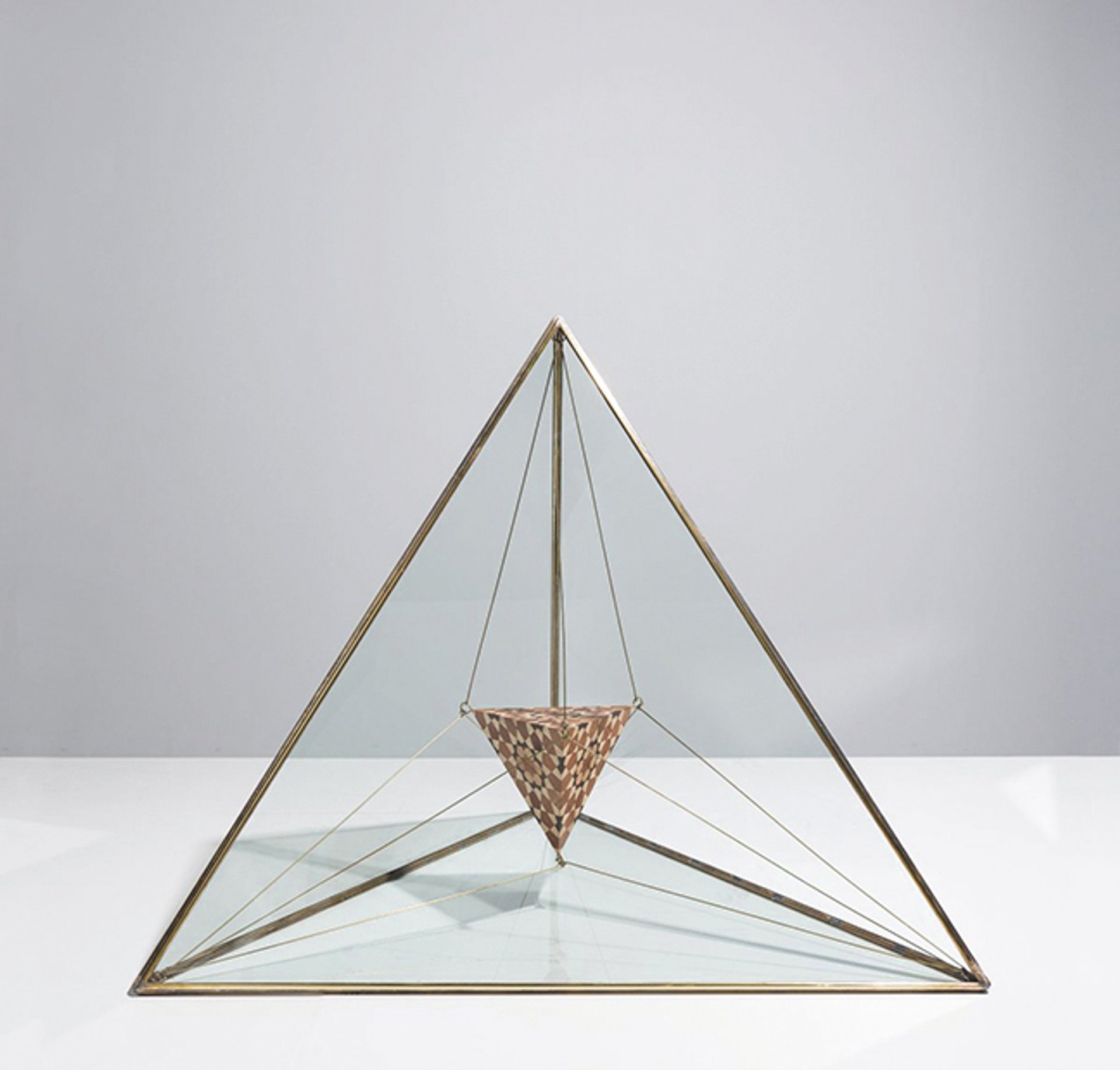
Dana Awartani’s Tetrahedron within a Tetrahedron II (2018), from Tariq Al Jaidah’s collection Courtesy of the TAJ Collection, Doha
What do you regret not buying when you had the chance?
When I had The Third Line gallery in Doha, we sold a couple of works by Monir Shahroudy Farmanfarmaian, but I never purchased one. One of those same pieces was bought recently by Mathaf [Arab Museum of Modern Art], and the increase in price over the period of 15 years—from what I would have paid, to what the museum paid—is around ten times. These things happen; I have lost so many opportunities like this one. I might sometimes bite my fingers but I still have the memories of listening to Monir and laughing with her in the studio. That is what I value.
What is the best advice you’ve been given on collecting?
I don’t take advice on collecting. I don’t care if a work is going to go up 100 times. If I don’t like, I don’t buy. I make my money elsewhere; art is my passion.
If you could own one work from a museum, what would it be?
Al-Azzawi’s Sabra and Shatila Massacre (1982-83), sometimes known as the Arab Guernica, which is in the Tate collection, has a very strong meaning. Or anything by Marwan [Kassab-Bachi]. I spent a few days with him in Damascus, and I am also good friends with his gallerist. I am fascinated by his work.
What is your favourite place to eat in Qatar?
We have many options from world-class restaurants from all over the globe. But you should also check out our grassroots restaurants. Between Souq Waqif and Msheireb you will find many restaurants serving cuisines from all over the region, from Pakistan to Iran. Go and smell; let your senses guide you.
And your least favourite thing about art fairs?
Some of the gallerists can be very persistent; they make you feel obliged to buy. I hope everybody during Art Basel Qatar realises this is an investment and, like any venture, it takes time. I believe this will be another success story and milestone under the vision of Sheikha Al-Mayassa.
What would you recommend to unwind outside of the fair?
The desert is a great place to escape, as is our coastline. The mangroves in the north are an exquisite place for canoeing. We also have a couple of important local museums not focused on art. The Sheikh Faisal Museum is fun; he collects everything from cars to carpets.