Exhibition features 81 works from Metropolitan Museum of Art in New York, revealing how impressionism paved way for modernism.
In 1969, American banker Robert Lehman bequeathed 2,600 works to the Metropolitan Museum of Art in New York with the belief that “important works of art, privately owned, should be beyond one’s own private enjoyment and the public at large should be afforded some means of seeing them.”
The Robert Lehman Collection, acquired over the course of 60 years by Robert Lehman and his parents Philip and Carrie Lehman, is one of the more significant examples of 20th-century American collecting. The donation was made upon Robert’s death with the condition the work be exhibited together as a private collection.
“Although the collection was large enough to form a museum of its own, Robert Lehman chose to donate it to the Metropolitan Museum of Art, believing that art should be shared with the world rather than kept private,” said curator Yang Seung-mi of the National Museum of Korea, during a press tour of the exhibition ““From Impressionism to Early Modernism: Collectors of Light – the Robert Lehman Collection at The Metropolitan Museum of Art” on Wednesday.
“This exhibition follows that spirit, offering Korean audiences a rare opportunity to see the breadth of his collection and to understand how impressionism evolved into modernism.”
Presented in Korea for the first time are 81 works from the Met, centered on 65 paintings and drawings from the collection, along with 16 works from the museum’s departments of European paintings, modern and contemporary art, the American wing and drawings and prints.
“This exhibition, organized in collaboration with the Metropolitan Museum of Art, offers a meaningful opportunity to introduce important currents in global art history to audiences in Korea. I hope visitors will experience firsthand how light has transformed art through the ages,” said You Hong-jun, director of the NMK, on Wednesday.
As a discerning collector, Robert was deeply devoted to French painting from the late 19th to early 20th centuries, especially impressionism and its successors. In collecting, he was guided solely by his judgment rather than by professional counsel.
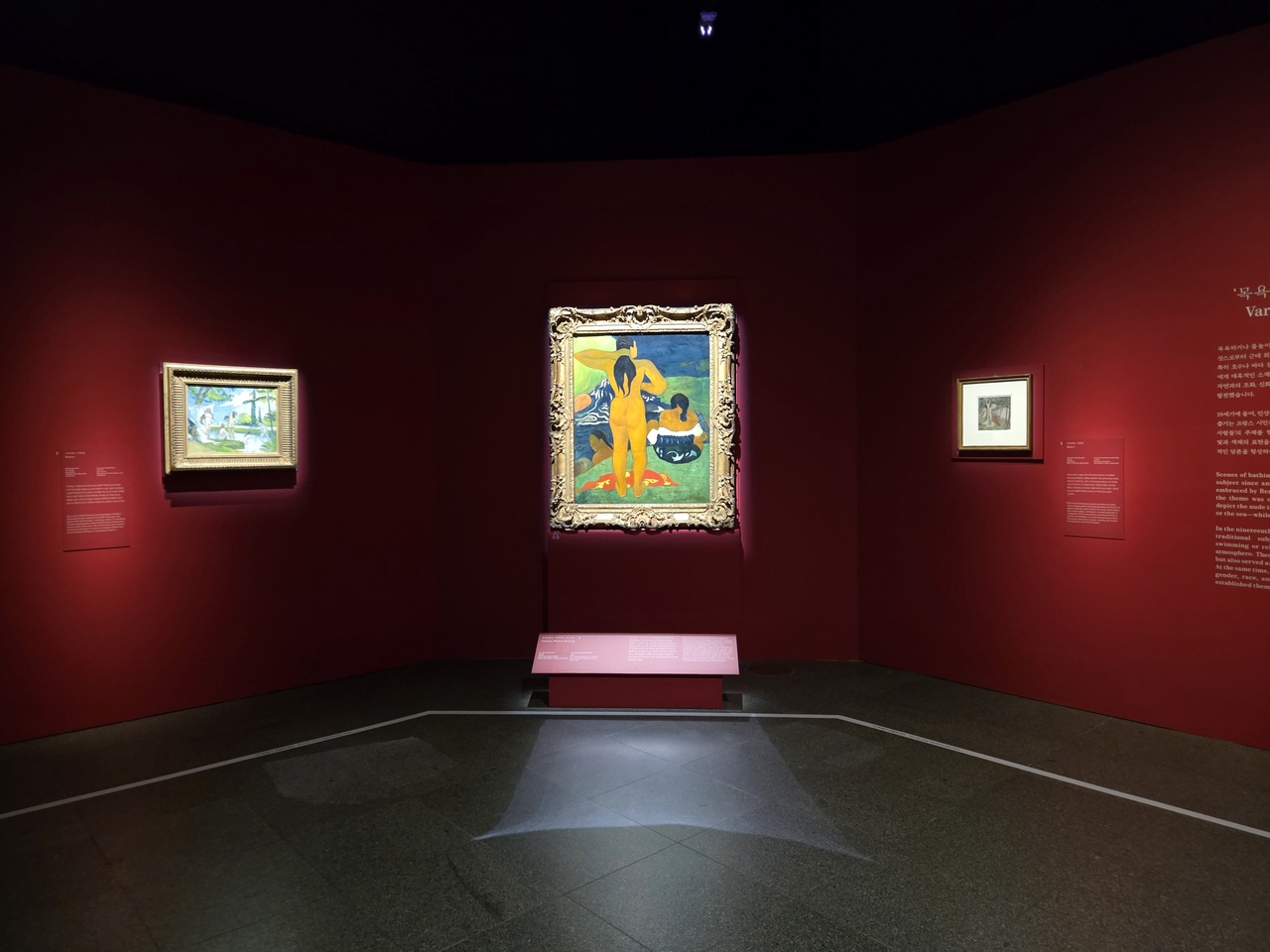
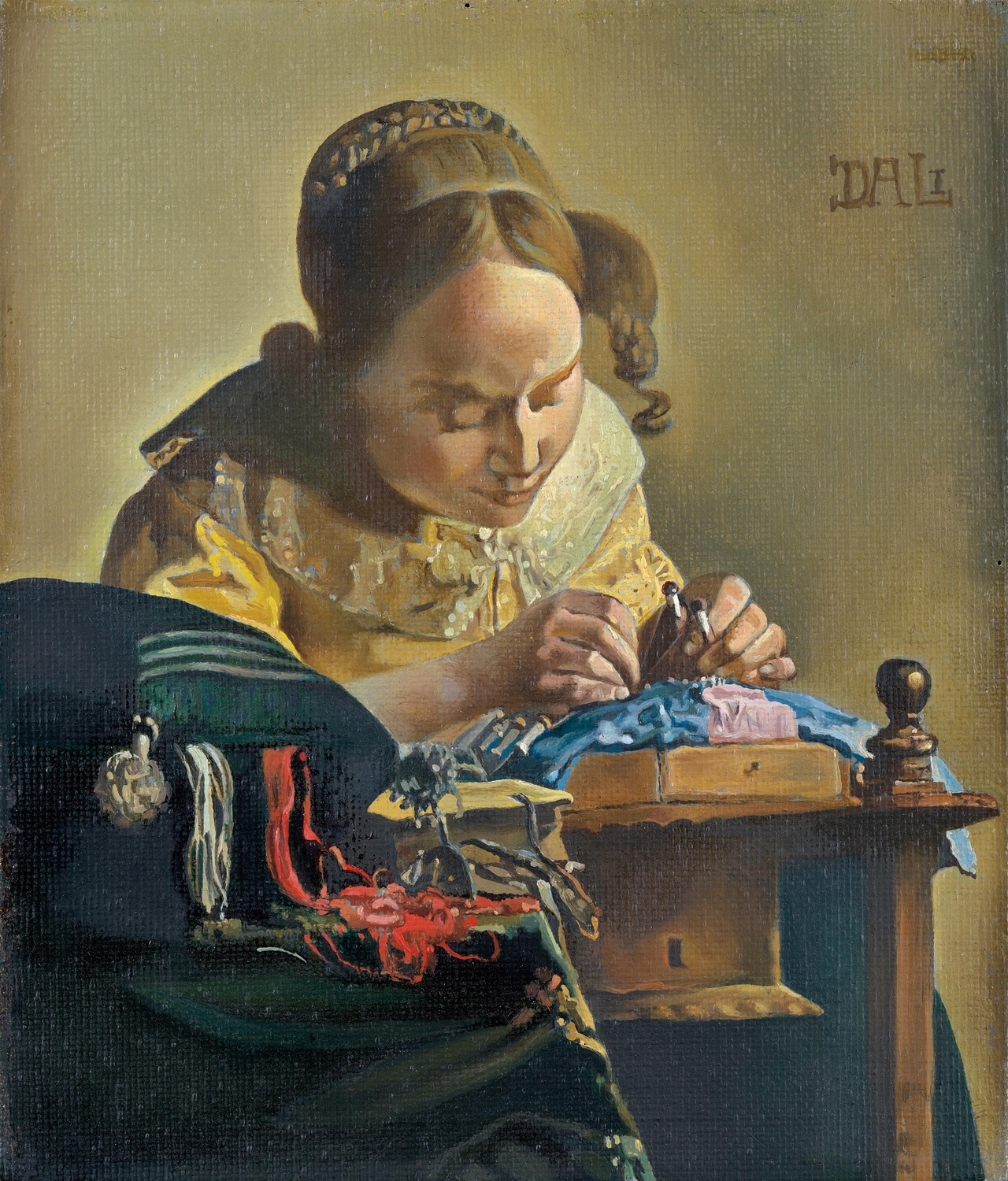
The exhibition begins with “The Lacemaker (After Vermeer)” by Salvador Dali, who had a close relationship with the collector, according to the curator.
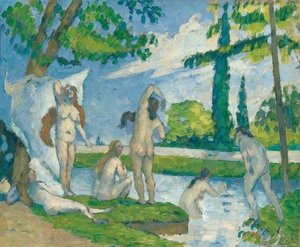
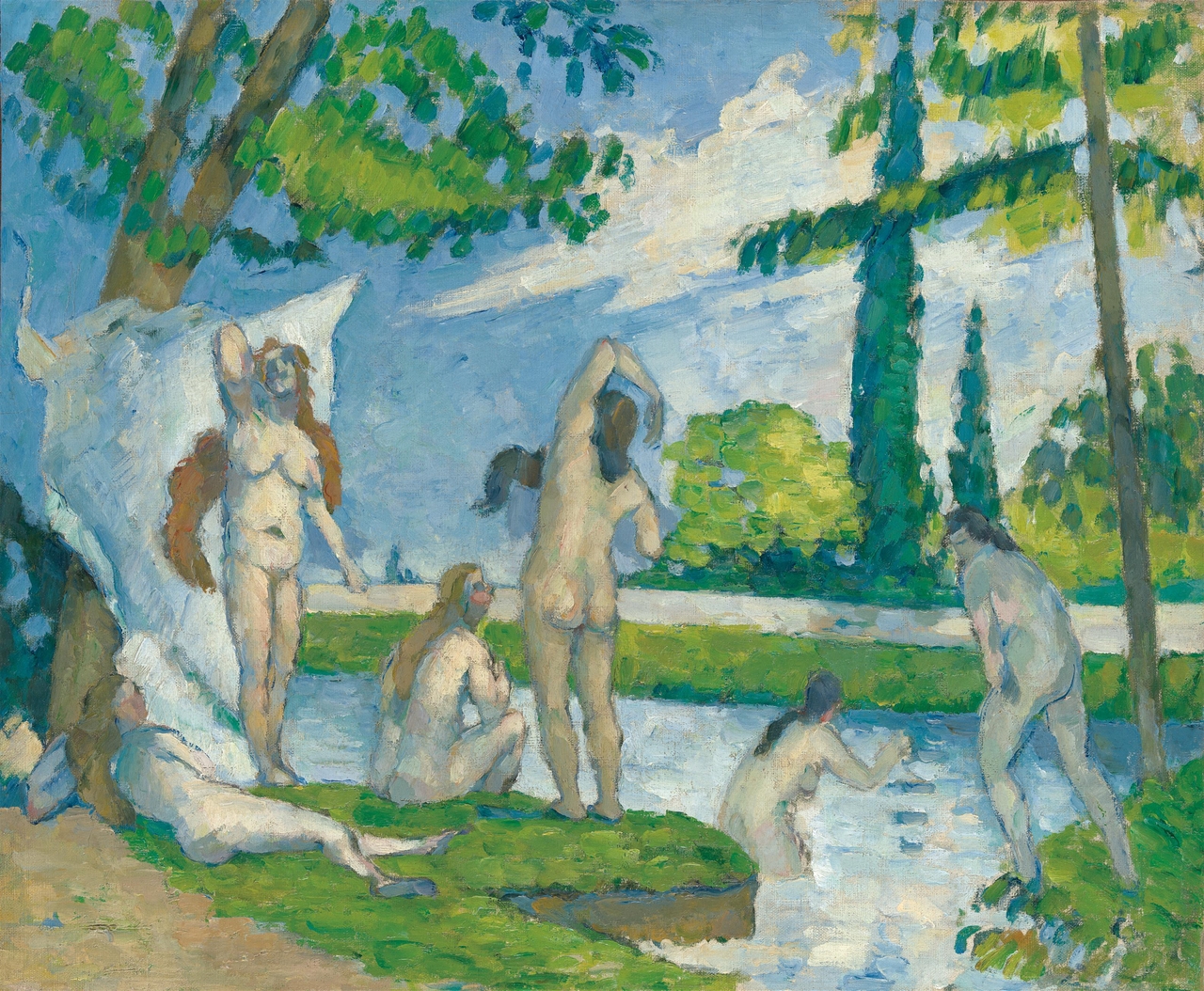
The exhibition unfolds in five main sections, tracing how artists broke away from tradition to depict contemporary life and landscapes with new techniques while reflecting on how social change influenced art. “Two Young Girls at the Piano” by Auguste Renoir, “The Flowering Orchard” by Vincent van Gogh and “Bathers” by Paul Cezanne are among the highlights.
“Paul Cezanne is regarded as a central figure of postimpressionism and is often described as the ‘father of cubism,'” Yang said. “Vincent van Gogh is also considered one of the leading postimpressionist painters, widely known for works that convey powerful emotion through bold and expressive use of color.”
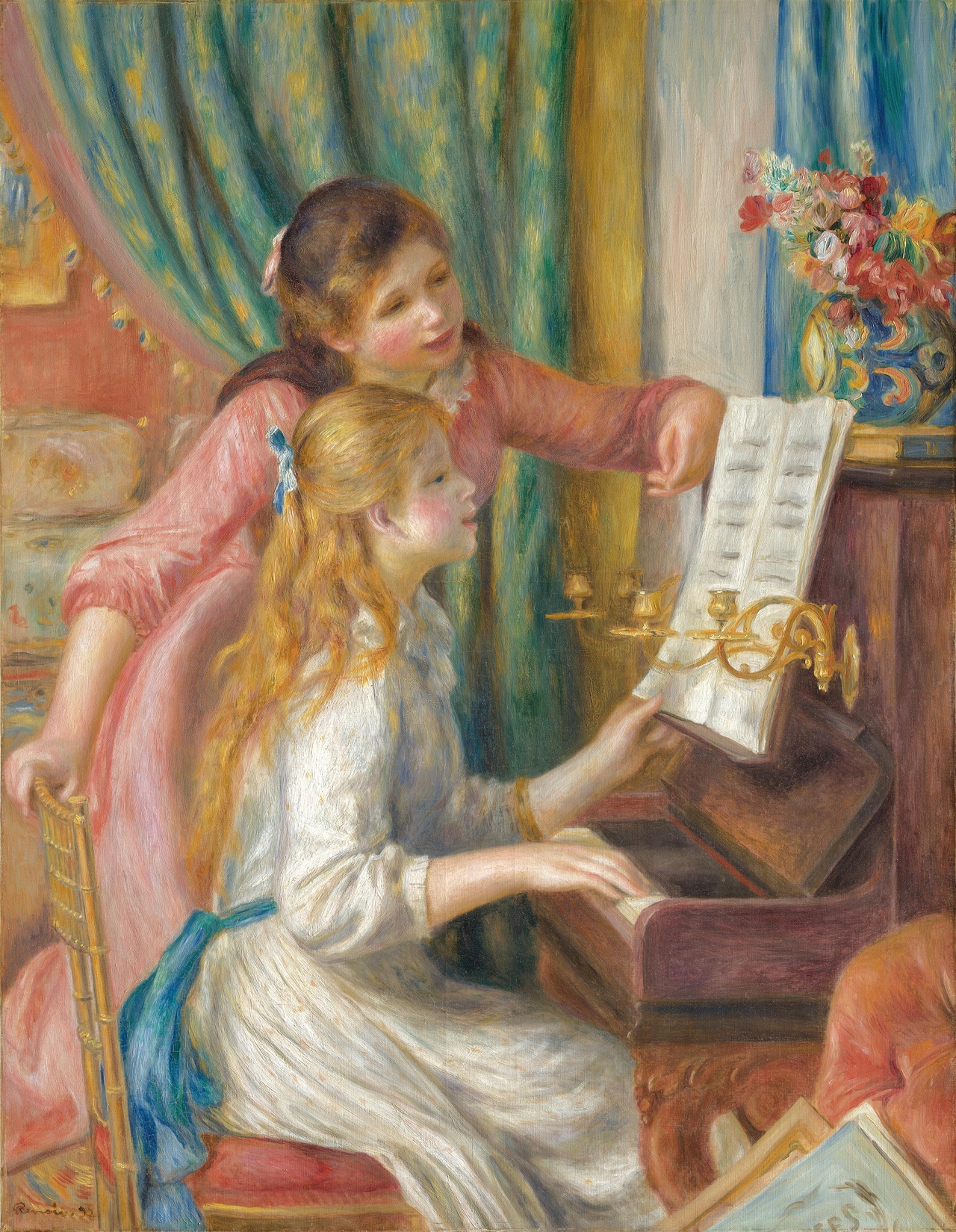
At the exhibition opening Friday, curator Alison Nogueira is to give a presentation on the collection at the museum, open to the public on a first-come basis without reservation.
“We look forward to many more opportunities to bring Korean art to a global audience in New York, as well as to increase opportunities to introduce diverse exhibitions to Korean audiences,” said Max Hollein, CEO of the Metropolitan Museum of Art, on Wednesday.
in New York, Korean artist Lee Bul transformed the iconic niches of the museum’s Fifth Avenue facade with four new sculptures that were on view from September 2024 to June.
The exhibition at the National Museum of Korea runs through March 15, 2026.
yunapark@heraldcorp.com